
Real-Time TCPA API Scrubbing: The Ultimate Guide to Litigation Risk Mitigation
What is Real-Time API Scrubbing?
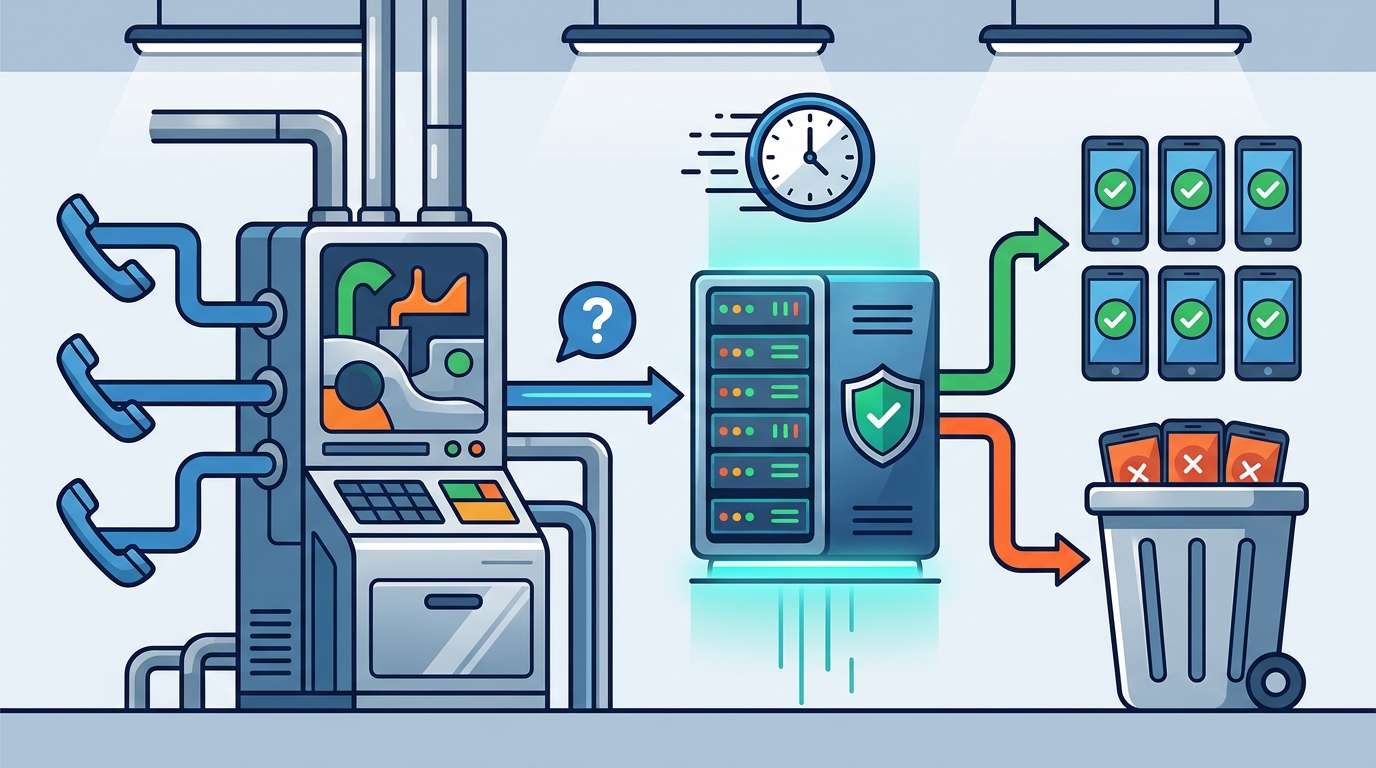
Real-time API scrubbing is a technical process where a dialer queries a suppression database for each phone number before placing a call. Unlike batch scrubbing, which processes large files overnight, real-time scrubbing occurs in milliseconds. This speed is critical for modern predictive dialers that require immediate validation to maintain connect rates. The primary goal is to prevent a call from being placed to a number that is flagged in a suppression list.
The Mechanics of the Check
When a dialer initiates a call, it sends a POST request to the API endpoint. The system checks the number against multiple databases simultaneously. These databases typically include the National Do Not Call Registry, internal suppression lists, and litigation-specific registries. If the number is found in any of these lists, the API returns a flag. The dialer then suppresses the call, preventing the interaction from occurring.
Why Speed Matters
Latency is a key performance metric for real-time scrubbing. A slow API can cause dialer timeouts, leading to dropped calls or system errors. TCPA Litigator List engineers its API to return results in single-digit milliseconds. This ensures that the compliance check does not become a bottleneck in your outbound calling workflow. High throughput is also essential for enterprise clients who may need to scrub hundreds of thousands of numbers per hour.
DNC Registry Checking and Federal Compliance
The National Do Not Call Registry is a federal database maintained by the Federal Trade Commission (FTC). It contains phone numbers of consumers who have requested not to receive telemarketing calls. Checking against this registry is a fundamental requirement for TCPA compliance. Failure to scrub against the DNC Registry can result in significant statutory damages for each violation.
Registry Updates and Expiration
The DNC Registry is updated regularly, and numbers can be added or removed by consumers. A number that was compliant last month may be on the registry today. Real-time scrubbing ensures that you are always checking against the most current version of the registry. Batch scrubbing can miss these daily updates, creating a window of vulnerability where your dialer might call a newly registered number.
Safe Harbor and Exemptions
While the DNC Registry is a critical component of compliance, it is not the only one. Businesses must also honor internal do-not-call requests and maintain records of consent. The FTC provides a safe harbor for businesses that use a commercially reasonable process to scrub their lists. Using a real-time API from a reputable provider like TCPA Litigator List helps establish that you have implemented a commercially reasonable process.
Litigator Suppression and the Name Recognition Algorithm
Litigator suppression is a specialized form of data hygiene that targets phone numbers associated with professional TCPA plaintiffs. These individuals often file multiple lawsuits against businesses for minor technical violations. A TCPA litigator list is a database of phone numbers and names associated with these professional plaintiffs. By suppressing these numbers, businesses can reduce their exposure to class action lawsuits and demand letters.
The Limitation of Number-Only Lists
Traditional scrubbing services often rely solely on phone numbers. However, professional litigators frequently rotate through different phone numbers, including prepaid lines. A number-only list becomes stale quickly as litigators change their contact information. This is where the Name Recognition Algorithm (NRA) becomes essential. The NRA is a proprietary technology that matches the name associated with the phone number against a database of known litigators.
How the Name Recognition Algorithm Works
The Name Recognition Algorithm analyzes the contact name provided in your dialer or CRM. It compares this name against a registry of known TCPA litigators and trolls. If a match is found, the system flags the number, even if the phone number itself is not on the list. This dual-layer approach (number and name) provides a much higher level of protection than standard scrubbing services. It addresses the specific threat of serial filers who use new numbers to bypass number-only suppression lists.
Identifying TCPA Trolls and Demand Letter Senders
A TCPA troll is an individual who sends demand letters to businesses alleging TCPA violations but has not yet filed a lawsuit. These individuals often seek settlements without going through the court system. Identifying these numbers is crucial for risk mitigation. TCPA Litigator List maintains a separate database of troll numbers, distinct from the litigator list. This allows businesses to identify and suppress numbers associated with pre-litigation threats.
The Cost of Demand Letters
Responding to demand letters can be costly and time-consuming. Legal fees for reviewing and responding to these letters can add up quickly, even if the claim is meritless. By scrubbing against a troll list, businesses can avoid these interactions entirely. This proactive approach saves legal resources and reduces the administrative burden on compliance teams. It is a cost-effective strategy for businesses that receive a high volume of outbound calls.
API Integration and Technical Implementation
Authentication and Security
API access is secured using authentication keys. These keys must be stored securely and not exposed in client-side code. TCPA Litigator List provides API documentation that details the authentication process and error handling. Proper security practices are essential to protect your data and maintain the integrity of your compliance program. Regular audits of API usage and logs are recommended to ensure that the scrubbing process is functioning correctly.
Batch vs. Real-Time Hybrid Models
Many businesses use a hybrid approach. They perform a batch scrub of their entire database nightly to remove known bad numbers. Then, they use real-time API scrubbing for the final check before each call. This two-step process ensures that the database is clean and that any new additions to suppression lists are caught at the moment of dialing. This hybrid model provides the highest level of protection and is recommended for high-volume callers.
Comparison of Scrubbing Methods
Understanding the differences between scrubbing methods helps you choose the right strategy for your business. The table below compares batch scrubbing, real-time API scrubbing, and manual suppression.
| Method | Speed | Accuracy | Best For |
|---|---|---|---|
| Batch Scrubbing | Hours to Days | High (at time of run) | Nightly database cleaning |
| Real-Time API | Milliseconds | Real-Time | High-volume predictive dialers |
| Manual Suppression | Variable | Low (Prone to error) | Small internal lists |
Real-time API scrubbing offers the highest accuracy for preventing violations because it checks the number at the exact moment of the call. Batch scrubbing is useful for maintaining a clean database but cannot account for changes that occur during the day. Manual suppression is error-prone and not scalable for large operations.
Key Takeaways
- Real-time API scrubbing checks phone numbers against suppression databases at the moment of dialing.
- The National Do Not Call Registry is a critical component of TCPA compliance and requires frequent updates.
- Litigator suppression targets professional plaintiffs who file multiple TCPA lawsuits.
- The Name Recognition Algorithm (NRA) matches contact names against known litigators, providing protection against number rotation.
- Identifying TCPA trolls helps businesses avoid costly demand letters and pre-litigation threats.
- A hybrid approach combining batch and real-time scrubbing provides the highest level of protection.
- Low latency is essential for real-time scrubbing to avoid dialer timeouts and system errors.
- Proper API integration and security practices are necessary to maintain the integrity of your compliance program.
Frequently Asked Questions
What is the difference between a TCPA litigator and a TCPA troll?
A TCPA litigator is an individual who has filed a lawsuit against a business for alleged TCPA violations. A TCPA troll is an individual who sends demand letters seeking a settlement but has not yet filed a lawsuit. Both groups pose a risk to businesses, but they are tracked in separate databases to allow for targeted suppression.
How does the Name Recognition Algorithm work?
The Name Recognition Algorithm matches the contact name in your dialer against a database of known litigators and trolls. If a match is found, the number is flagged, even if the phone number itself is not on the suppression list. This helps protect against litigators who rotate through different phone numbers.
Is real-time API scrubbing required by law?
Real-time API scrubbing is not explicitly required by law, but it is a best practice for high-volume callers. The FTC requires businesses to use a commercially reasonable process to scrub their lists. Real-time scrubbing is one of the most effective ways to meet this standard, especially for predictive dialers.
Can I use batch scrubbing instead of real-time API scrubbing?
You can use batch scrubbing, but it may not provide the same level of protection as real-time scrubbing. Batch scrubbing processes files in bulk, which can take hours or days. Real-time scrubbing checks each number at the moment of dialing, ensuring that you are always using the most current suppression data.
How often are the suppression lists updated?
Suppression lists are updated regularly to reflect new additions to the DNC Registry and new litigation cases. TCPA Litigator List updates its databases daily to ensure that you have access to the most current information. Real-time API scrubbing ensures that you benefit from these updates immediately.
What happens if a number is flagged by the API?
If a number is flagged by the API, the dialer should suppress the call. The specific action taken depends on your dialer configuration. Some dialers may simply skip the number, while others may log the event for review. It is important to configure your dialer to handle flagged numbers appropriately to avoid accidental violations.
Conclusion
Real-time API scrubbing is an essential tool for businesses that rely on outbound calling. It provides a critical layer of protection against TCPA violations, litigator lawsuits, and demand letters. By integrating a real-time API from a specialized provider, you can ensure that your dialer is always checking against the most current suppression data. TCPA Litigator List offers a robust API solution that includes the Name Recognition Algorithm, providing protection against both number and name-based threats. To get started with real-time API scrubbing, view the API documentation and explore how you can integrate this technology into your compliance program.