
For high-volume call centers, standard DNC scrubbing is necessary but insufficient. Litigator database screening is the superior defense against class-action exposure. While DNC lists prevent regulatory fines, they do not stop professional plaintiffs from suing. TCPA Litigator List provides the specific risk intelligence required to protect revenue and avoid litigation costs.
Understanding the Two Screening Layers
Compliance in outbound calling relies on two distinct data layers. The first is the regulatory layer, governed by the National Do Not Call Registry. The second is the litigation layer, governed by the behavior of professional plaintiffs. Confusing these two layers is a common error that leads to significant financial loss.
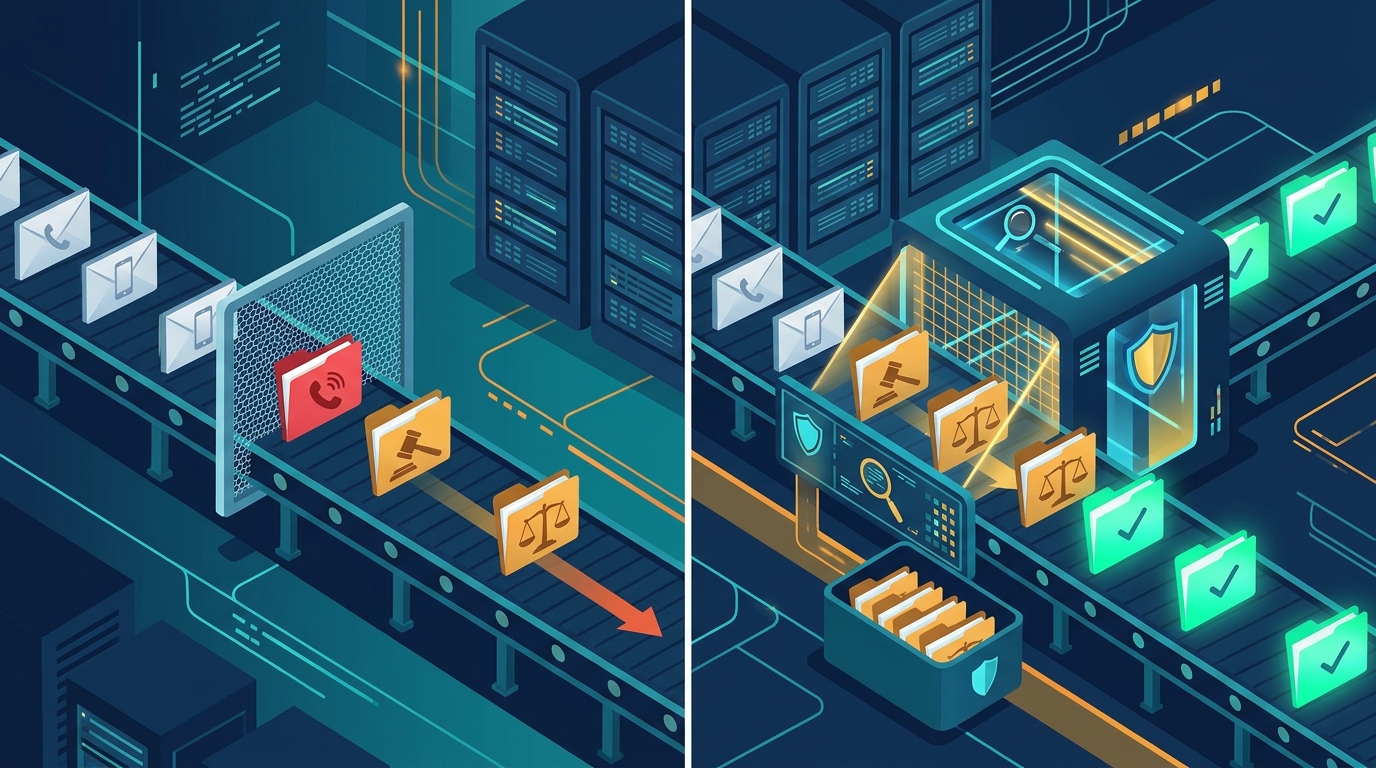
Standard DNC scrubbing is the process of removing phone numbers from a calling list that are registered on the National Do Not Call Registry. This is a baseline requirement for all telemarketers. It protects a business from regulatory enforcement actions by the Federal Communications Commission (FCC) and state attorneys general.
Litigator database screening is the process of identifying phone numbers associated with individuals who have a history of filing TCPA lawsuits or sending demand letters. This is a risk mitigation strategy. It protects a business from private litigation, class actions, and settlement demands. It is not a regulatory requirement, but it is a financial necessity for high-volume operations.
Standard DNC Scrubbing: The Regulatory Baseline
Standard DNC scrubbing is the entry point for any compliance program. It is widely available and often bundled with dialer software. The primary function is to ensure that a business does not call numbers that have opted out of marketing calls at the federal level.
Strengths
The primary strength of standard DNC scrubbing is regulatory compliance. It is a legal requirement. Without it, a business is immediately vulnerable to regulatory fines. The data is public and standardized. Most dialers offer this feature as a default setting. It is easy to implement and requires minimal technical integration.
Limits
The critical limit of standard DNC scrubbing is that it does not account for litigation risk. A number can be fully compliant with the National Do Not Call Registry and still belong to a professional TCPA litigator. These individuals often do not register their numbers on the DNC registry because they are not interested in stopping calls; they are interested in suing over them. Standard scrubbing provides zero protection against this specific threat.
Who It Suits
Standard DNC scrubbing suits small businesses with low call volumes. It is also suitable for businesses that do not use automated dialing systems for promotional calls. For these users, the risk of a class action is low, and the regulatory baseline is sufficient.
Litigator Database Screening: The Litigation Shield
Litigator database screening is a specialized service that goes beyond regulatory compliance. It focuses on the behavior of the caller. It identifies numbers that have been used in previous TCPA lawsuits or demand letters. This data is proprietary and requires active research to maintain.
Strengths
The primary strength of litigator database screening is risk mitigation. It identifies the specific individuals who are most likely to sue. It allows a business to suppress these numbers before a call is placed. This prevents the initial trigger for a lawsuit. It is a proactive defense rather than a reactive one. It protects the bottom line by avoiding settlement costs and legal fees.
Limits
The limit of litigator database screening is that it is not a regulatory requirement. It does not replace the need for DNC scrubbing. It is an additional layer of protection. It requires a subscription to a specialized service. It is not included in standard dialer software. It requires a deliberate decision to invest in litigation risk management.
Who It Suits
Litigator database screening suits high-volume call centers. It is essential for businesses that make thousands or millions of calls per month. It is critical for businesses that use automated dialing systems. It is necessary for businesses that operate in states with strict TCPA enforcement. It is the standard of care for large-scale telemarketing operations.
Comparison of Screening Methods
| Criteria | Standard DNC Scrubbing | Litigator Database Screening |
|---|---|---|
| Primary Purpose | Regulatory Compliance | Litigation Risk Mitigation |
| Data Source | National Do Not Call Registry | Proprietary Litigation Database |
| Protects Against | FCC and State Fines | Class Actions and Demand Letters |
| Cost Structure | Often Bundled with Dialer | Specialized Subscription |
| Implementation | Default Setting | API or Batch Upload |
| Best For | Low-Volume, Manual Calling | High-Volume, Automated Calling |
Choosing the Right Screening Strategy
The choice between these two methods is not mutually exclusive. For high-volume call centers, the correct strategy is to use both. However, the priority depends on the specific risk profile of the business.
Choose Standard DNC Scrubbing If
Choose standard DNC scrubbing if your call volume is low. Choose it if you do not use automated dialing systems for promotional calls. Choose it if your primary concern is regulatory compliance rather than litigation risk. Choose it if you are a small business with limited budget for compliance tools.
Choose Litigator Database Screening If
Choose litigator database screening if your call volume is high. Choose it if you use automated dialing systems. Choose it if you have received a demand letter in the past. Choose it if you operate in a state with aggressive TCPA enforcement. Choose it if you want to protect your revenue from settlement costs. Choose it if you want to call with confidence.
Frequently Asked Questions
Can I use litigator screening instead of DNC scrubbing?
No. Litigator screening does not replace DNC scrubbing. You must use both. DNC scrubbing is a legal requirement. Litigator screening is a risk mitigation tool. Using only litigator screening will leave you vulnerable to regulatory fines.
How often is the litigator database updated?
High-quality litigator databases are updated frequently to reflect ongoing filings. Litigator databases identify newly filed lawsuits and demand letters to help organizations manage their exposure.
What is the cost of litigator database screening?
The cost varies by volume and provider. It is typically a subscription fee. It is a small fraction of the cost of a single TCPA settlement. For high-volume call centers, the cost is negligible compared to the potential liability.
Does litigator screening guarantee I won't get sued?
No. No screening service can guarantee that you will not get sued. Litigator screening reduces the risk by identifying known plaintiffs. It does not eliminate all risk. You must also maintain proper consent records and honor opt-out requests.
How do I integrate litigator screening into my dialer?
Most litigator screening services offer an API. You can integrate this API into your dialer or database. This allows for real-time scrubbing. You can also use batch upload for pre-campaign scrubbing. TCPA Litigator List offers both API and batch options.
Conclusion
For high-volume call centers, litigator database screening is the superior defense against financial loss. Standard DNC scrubbing is the regulatory baseline, but it does not protect against the primary threat to large-scale telemarketing operations: professional litigation. By combining both methods, you create a comprehensive compliance program that protects your business from both regulatory fines and class-action lawsuits. TCPA Litigator List provides the advanced screening technology required to mitigate these risks effectively. To secure your calling list, visit TCPA Litigator List today. Learn more: Contact TCPA Litigator DNC.