
Phone number recycling is a persistent risk for telemarketing and B2B outreach teams. When a carrier reassigns a number to a new owner, your previous consent records may no longer apply. TCPA Litigator List helps businesses identify these shifts by combining line type verification with litigation risk intelligence. This guide outlines seven practical methods to detect reassignment before it triggers a compliance violation.
1. Check Line Type Changes
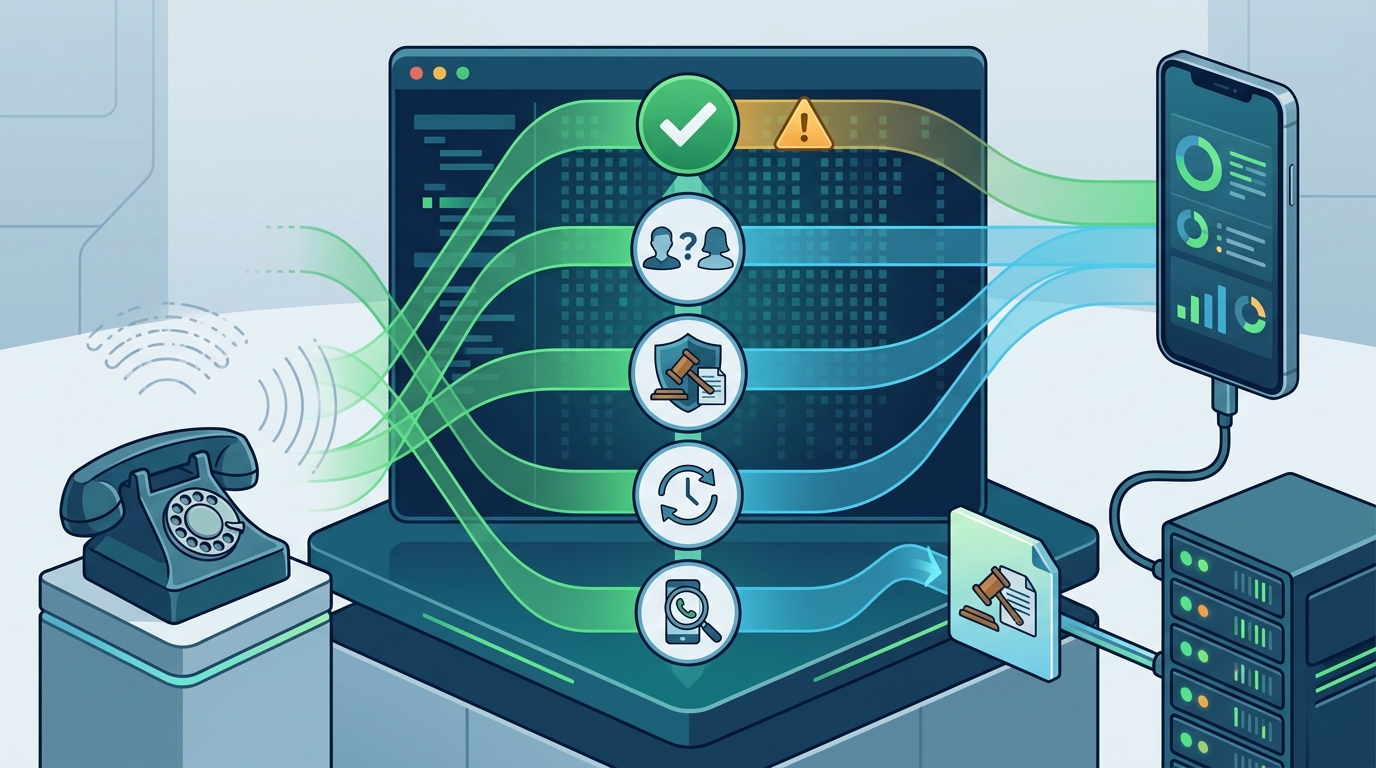
Line type shifts are the most common indicator of a number reassignment. Carriers frequently reassign numbers from mobile to landline or from business to residential lines. If your database records a number as a mobile line but a verification service now identifies it as a landline, the number has likely changed hands. This discrepancy is a strong signal that the original consent is no longer valid for that specific line type.
2. Monitor Name and Carrier Data
Comparing current owner data against historical records reveals ownership changes. Many verification services provide the registered name and carrier associated with a phone number. If the name on file has changed since your last contact, or if the carrier has switched, the number has been reassigned. TCPA Litigator List utilizes a proprietary Name Recognition Algorithm to match names against known litigators, helping you flag numbers that have shifted to high-risk individuals.
3. Use Real-Time API Verification
Automated checks at the moment of dialing prevent accidental calls to new owners. Integrating a real-time verification API into your dialer allows you to check the status of a number just before a call is placed. This method ensures that the line type and ownership data are current. If the API returns a mismatch between your stored consent and the current line type, the system can automatically suppress the call.
4. Scrub Against Litigator and Troll Databases
Reassigned numbers often end up with professional litigators or demand letter senders. Serial filers frequently acquire recycled numbers to target businesses. By scrubbing your lists against a database of known TCPA litigators and trolls, you can identify numbers that have been reassigned to these high-risk individuals. This proactive step helps you avoid the legal fees associated with defending against professional plaintiffs.
5. Implement Periodic Batch Re-verification
Regular bulk checks keep your database accurate over time. Instead of relying solely on real-time checks, schedule monthly or quarterly batch verifications for your entire contact list. This approach helps you clean out stale data and identify numbers that have gone silent or changed ownership. It is a cost-effective way to maintain data hygiene without slowing down your daily dialing operations.
6. Track Call Disposition and Answer Patterns
Changes in how a number answers can indicate a new owner. If a number that previously connected to a human now goes to voicemail, or if the greeting changes significantly, it may have been reassigned. While this is a softer signal than technical verification, it is useful for identifying potential issues in your CRM. Monitoring these patterns helps you flag numbers for manual review or re-consent.
7. Maintain a Centralized Suppression List
Consolidating all reassignment flags in one place ensures consistent compliance. When a number is identified as reassigned, it should be added to a centralized suppression list. This prevents any team member or campaign from accidentally contacting the new owner. A well-maintained suppression list is a critical component of any TCPA compliance program and helps demonstrate good faith in the event of a dispute.
Choosing the Right Verification Method
Selecting the best method depends on your volume and risk tolerance. High-volume dialers should prioritize real-time API verification to catch reassignments at the point of contact. Smaller teams may find periodic batch checks sufficient for maintaining data accuracy. Combining line type verification with litigation risk screening provides the most comprehensive protection against TCPA violations.
Frequently Asked Questions
How often should I verify phone numbers for reassignment?
For high-volume campaigns, real-time verification at the moment of dialing is recommended. For lower-volume lists, a monthly or quarterly batch re-verification is a practical approach to keep your data current.
Can a phone number be reassigned while still active?
Yes, carriers can reassign a number if the original owner cancels the service. The number may then be recycled and assigned to a new customer, often within a few months.
Does line type verification guarantee the number is not reassigned?
No, line type verification is a strong indicator but not a guarantee. A number can be reassigned to another mobile line, keeping the line type the same. Combining line type checks with name and carrier data provides better accuracy.
What is the risk of calling a reassigned number?
Calling a reassigned number without new consent can result in TCPA violations. The new owner may file a lawsuit or demand letter, leading to significant legal costs and potential statutory damages.
How does TCPA Litigator List help with reassignment detection?
TCPA Litigator List provides phone number verification and line type determination. It also scrubs numbers against a database of known litigators and trolls, helping you identify numbers that have been reassigned to high-risk individuals.
Is it legal to check if a number has been reassigned?
Yes, using verification services to check line type and ownership data is legal. However, the results are informational and do not constitute a legal determination that a number may or may not be contacted.
Start Protecting Your Dialing List
Phone number reassignment is a preventable risk. By implementing the verification methods outlined above, you can significantly reduce your exposure to TCPA violations. TCPA Litigator List offers the tools you need to keep your data clean and your compliance program robust. To see how our verification and scrubbing services can protect your business, for a consultation.