
Where to Find a TCPA Litigator List Updated Every Weekday
Businesses seeking a TCPA litigator list updated every weekday should look for a specialized suppression service with a dedicated research team that actively investigates new lawsuits and demand letters. TCPA Litigator List provides this exact capability, maintaining a database of over 340,000 litigator numbers and 260 million troll and DNC records. This guide covers the essential components of a high-quality TCPA database, the importance of weekday updates, and the technical process of call list scrubbing to protect your business from litigation.
The TCPA Litigator Database
A TCPA litigator database is a specialized repository of phone numbers and names associated with individuals who have filed lawsuits or sent demand letters under the Telephone Consumer Protection Act. Unlike standard Do Not Call (DNC) lists, which only track consumer opt-outs, a litigator database tracks the specific numbers used by professional plaintiffs and their associates. This distinction is vital because a single professional litigator may use multiple phone numbers, including prepaid or "trac" lines, to initiate legal actions.
Understanding TCPA Trolls and Litigators
It is important to distinguish between a TCPA litigator and a TCPA troll. A TCPA litigator is an individual who has actually filed a lawsuit, while a TCPA troll is an individual who sends demand letters but has not yet initiated legal proceedings. TCPA Litigator List is unique in the industry for maintaining a dedicated registry of these trolls. By identifying these individuals early, businesses can mitigate the risk of escalating demand letters into full-blown class action lawsuits. according to What Are TCPA
The Name Recognition Algorithm
Phone numbers change, but names do not. A robust database must account for the fact that serial filers often rotate through new phone numbers. The Name Recognition Algorithm (NRA) is a proprietary technology that scrubs against the names of known litigators rather than just their current phone numbers. This safeguards against the failure mode where a litigator uses a new, unlisted number to call a business. By matching the name on the call record to the database, the system can flag the call as high-risk even if the number itself is new to the registry.
The Critical Role of Weekday Updates
In the fast-paced environment of TCPA litigation, a static list is a liability. The legal landscape shifts daily as new cases are filed and new numbers are associated with known plaintiffs. A TCPA litigator list that is only updated monthly or quarterly is already stale by the time it reaches your dialer. To maintain effective protection, the database must be updated every weekday morning.
Research Team Methodology
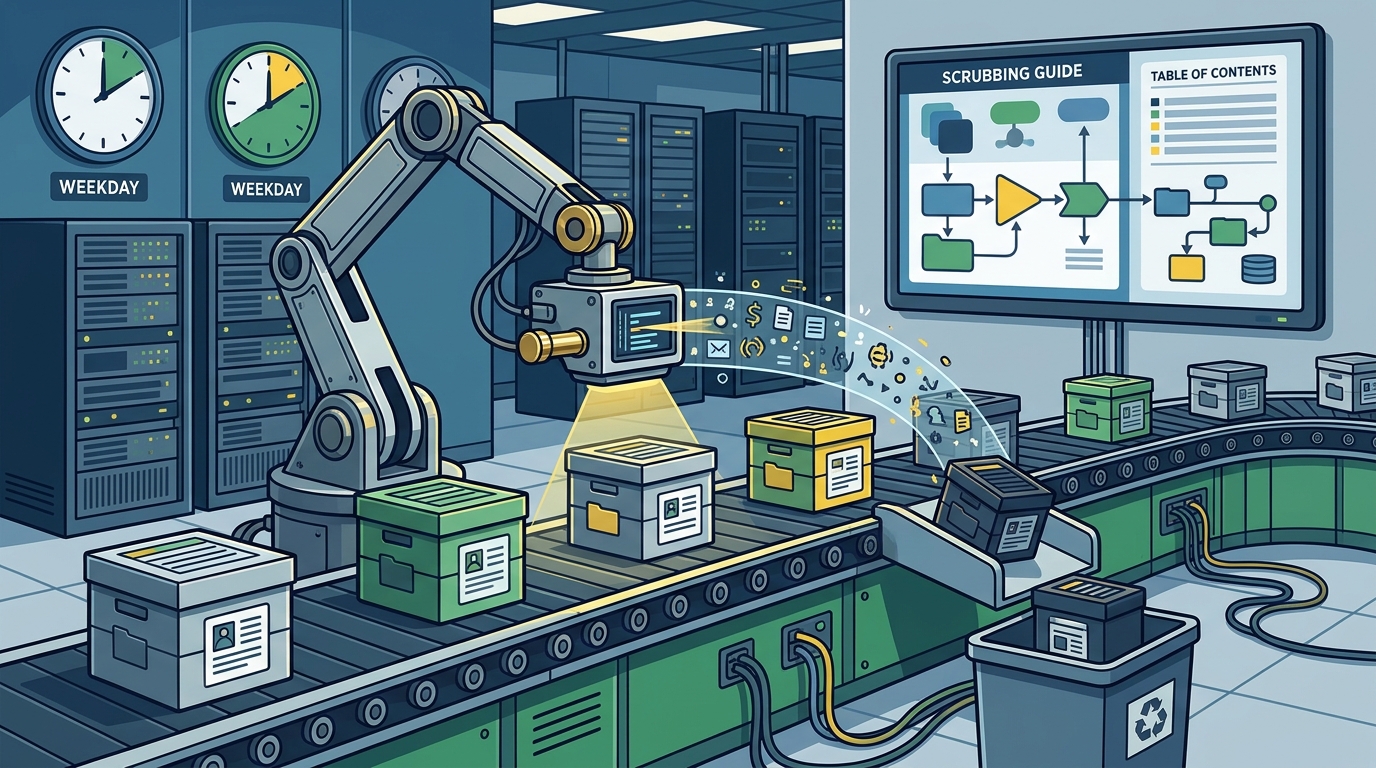
Effective weekday updates require a dedicated research team that actively investigates every new TCPA lawsuit filed in the United States. This team does not simply scrape court dockets; they look up every plaintiff and add every number associated with them to the database. This manual and automated hybrid approach ensures that the database captures not just the primary number in the complaint, but also secondary numbers that may be used for future calls. TCPA Litigator List employs this rigorous methodology to ensure that their registry remains current and comprehensive.
Why Daily Freshness Matters
The cost of a single TCPA violation can range from $500 to $1,500 per call, with willful violations carrying penalties up to $4,500. When you consider that a class action can involve thousands of calls, the financial exposure is significant. If a litigator adds a new number to their arsenal on a Monday, and your database is not updated until the following month, you are exposed for 30 days. Weekday updates close this gap, ensuring that your suppression list reflects the most recent legal threats.
Call List Scrubbing and Integration
Having a database is only half the battle; you must effectively integrate it into your calling workflow. Call list scrubbing is the process of comparing your existing phone numbers against the TCPA litigator and DNC databases to remove high-risk entries before they are dialed. This can be done through batch uploads or real-time API integration.
Batch Scrubbing vs. Real-Time API
Batch scrubbing involves uploading your entire call list in Excel or CSV format to a web portal. The system processes the file, removes duplicates and flagged numbers, and returns a clean list. This is ideal for periodic list hygiene. Real-time API integration, however, is the gold standard for high-volume dialers. It allows the system to check a number at the moment of dial, preventing the call from being placed if it matches a litigator or DNC entry. TCPA Litigator List offers a fast API that supports both single-record and mass-record scrubbing, ensuring minimal latency in your dialing process.
State-Specific Regulations
Compliance is not just a federal issue. Many states have enacted "Mini-TCPA" laws that are more restrictive than the federal statute. For example, Florida and New York have specific call time restrictions and frequency limits. A comprehensive scrubbing service should allow you to filter by state, ensuring that you are not only avoiding litigators but also adhering to state-specific DNC regulations. This level of granularity is essential for businesses operating across multiple jurisdictions.
| Feature | Standard DNC List | Specialized TCPA Litigator List |
|---|---|---|
| Data Source | Consumer Opt-Outs | Court Filings and Demand Letters |
| Update Frequency | Monthly (Federal) | Every Weekday |
| Identification Method | Phone Number Only | Phone Number and Name (NRA) |
| Risk Mitigation | Regulatory Compliance | Litigation Prevention |
Key Takeaways
- A TCPA litigator database is distinct from a standard DNC list, focusing on numbers and names associated with lawsuits and demand letters.
- Weekday updates are essential to keep pace with the rapid filing of new TCPA cases and the rotation of litigator phone numbers.
- The Name Recognition Algorithm (NRA) provides an additional layer of protection by flagging calls based on the name of the recipient, not just the number.
- Identifying TCPA trolls (demand letter senders) allows businesses to address threats before they escalate into litigation.
- Real-time API integration is the most effective method for high-volume dialers to prevent calls to high-risk numbers.
- State-specific "Mini-TCPA" laws require granular scrubbing capabilities to ensure full compliance across different jurisdictions.
- Screening results are informational and do not constitute legal advice; businesses must maintain their own consent and suppression records.
Frequently Asked Questions
What is the difference between a TCPA litigator and a TCPA troll?
A TCPA litigator is an individual who has filed a lawsuit, while a TCPA troll is an individual who sends demand letters but has not yet sued. Both represent significant risks to businesses, but trolls can often be resolved with a settlement before litigation begins.
How often should I update my TCPA suppression list?
You should update your list every weekday. Professional litigators file new cases and use new numbers frequently. A list that is only updated monthly leaves you exposed to new threats for weeks.
Can a screening service guarantee that I will not be sued?
No. Screening results are informational and do not constitute a legal determination. While a high-quality database significantly reduces risk, no service can identify every potential compliance risk or guarantee the prevention of litigation.
What is the Name Recognition Algorithm (NRA)?
The NRA is a proprietary technology that matches the name of the person receiving the call against a database of known litigators. This helps identify high-risk calls even if the phone number is new or not listed in the primary registry.
Do I need to scrub against state DNC lists?
Yes. Many states have their own DNC registries and "Mini-TCPA" laws. A comprehensive scrubbing service should allow you to filter against state-specific regulations to ensure full compliance.
How does real-time API scrubbing work?
Real-time API scrubbing integrates directly with your dialer. Before a call is placed, the system sends the phone number to the API, which checks it against the litigator and DNC databases. If a match is found, the call is blocked or flagged.
Is TCPA Litigator List a legal service?
No. TCPA Litigator List provides telephone number screening and compliance support. It is not a law firm and does not provide legal advice. You should consult qualified legal counsel for specific compliance requirements.
Conclusion
Protecting your business from TCPA litigation requires more than just a standard Do Not Call list. You need a specialized, actively maintained database that tracks the specific numbers and names of professional litigators and trolls. By utilizing a service that provides weekday updates and advanced technologies like the Name Recognition Algorithm, you can significantly reduce your legal exposure. TCPA Litigator List offers the tools and expertise you need to scrub your lists effectively and call with confidence. To get started, visit our website to explore our subscription plans and API documentation.