
Phone verification services for telemarketing compliance are tools that validate number status, line type, and litigation risk before dialing. They help businesses reduce wasted spend and avoid TCPA violations by filtering out invalid, disconnected, or high-risk numbers. TCPA Litigator List provides specialized screening that identifies known litigators and demand letter senders, ensuring your calling lists remain clean and compliant with federal and state regulations.
The Basics of Number Verification
Phone number verification is the process of confirming whether a telephone number is active, valid, and associated with a specific line type. This foundational step prevents your dialer from wasting resources on disconnected or invalid numbers. For telemarketers, this is not just about efficiency; it is a critical compliance control. The Telephone Consumer Protection Act (TCPA) restricts calls to mobile numbers without prior express consent. Verifying line type helps distinguish between residential, mobile, and business lines, allowing you to apply the correct consent rules to each segment.
According to the Federal Communications Commission (FCC), the TCPA requires prior express written consent for automated marketing calls to mobile numbers. A verification service that identifies line type is essential for mapping your consent records to the correct number type. If a number is verified as a mobile line, you must ensure you have the required written consent on file before dialing. This basic check forms the first layer of your compliance defense.
Screening for Litigation Risk
Standard verification tools often miss a critical risk: professional TCPA litigators. These individuals and entities file lawsuits against businesses for minor compliance errors, often using numbers that appear valid and active. TCPA Litigator List addresses this gap by maintaining a database of phone numbers associated with known TCPA litigators and "trolls" who send demand letters. This is a specialized form of verification that looks beyond number status to identify legal threats.
The risk is significant. In 2018, a B2B lead generation company was hit with a five-million-dollar class action over just two phone calls to a professional TCPA litigator. This case highlights how a single missed number can lead to massive liability. By scrubbing your lists against a litigator database, you can identify and suppress these high-risk numbers before they are dialed. This proactive approach is far more cost-effective than defending a lawsuit after the fact.
The Role of Name Recognition Algorithms
Phone numbers can change, but names remain consistent. A Name Recognition Algorithm (NRA) is a proprietary technology that matches contact names against a database of known litigators and high-risk individuals. This is crucial because professional litigators often rotate through different phone numbers to avoid detection by standard number-based scrubbing services. The NRA ensures that even if a litigator uses a new, valid number, the system flags the contact based on their identity.
At TCPA Litigator List, the NRA is a core component of our screening platform. It allows us to protect businesses from the "trac phone" threat, where litigators use temporary or prepaid numbers. By combining number verification with name-based recognition, we provide a more robust layer of protection. This dual approach ensures that your compliance program is not easily bypassed by sophisticated plaintiffs who attempt to evade standard suppression lists.
Integrating Verification into Your Workflow
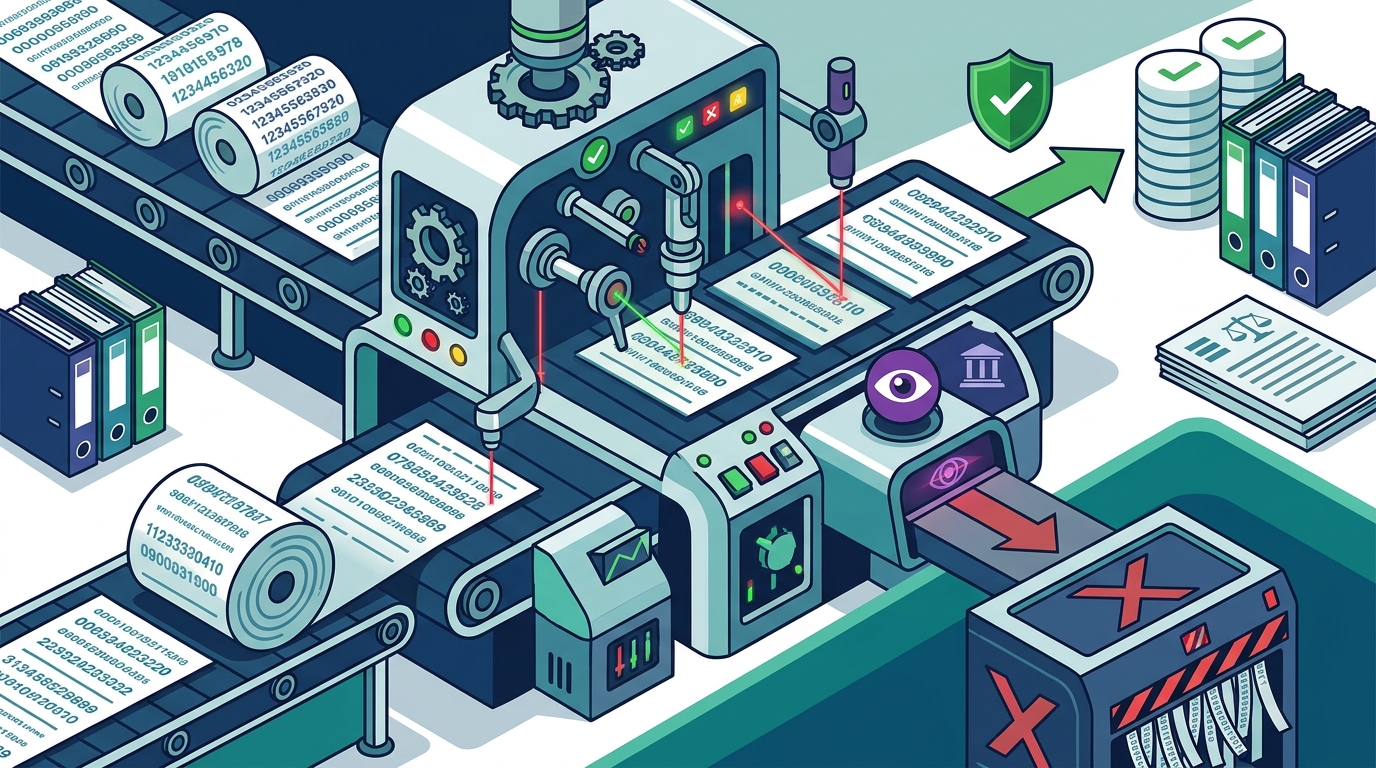
Effective compliance requires real-time integration. You can use verification services through batch uploads or real-time API calls. Batch scrubbing is ideal for cleaning large lists before a campaign launch. You upload your Excel or CSV file, and the service returns a clean list along with a report of flagged numbers. Real-time API integration is best for dialers, where each number is checked in milliseconds before the call is placed. This ensures that your dialer never attempts to call a suppressed or high-risk number.
Our API supports both single-record and mass-record scrubbing, allowing you to choose the method that fits your operational needs. The API returns detailed information, including whether a number matches the TCPA litigator list, the Federal Do Not Call registry, or state-specific DNC lists. This granular data helps you make informed decisions about which numbers to suppress and which to keep. Proper integration ensures that your compliance checks happen at the moment of dial, not after a violation has occurred.
Benefits for Telemarketing Compliance
Using a comprehensive phone verification service offers several tangible benefits for telemarketing compliance. First, it reduces legal exposure by preventing calls to known litigators and DNC-registered numbers. Second, it improves campaign efficiency by removing disconnected and invalid numbers, which lowers your cost per contact. Third, it provides an audit trail. When you use a verification service, you can document that you took reasonable steps to ensure compliance. This documentation can be valuable in the event of a dispute or regulatory inquiry.
Compliance is not a one-time task; it is an ongoing process. Regulations change, and new litigators emerge. A good verification service updates its database regularly to reflect these changes. TCPA Litigator List updates its database daily, ensuring that your screening is always current. By staying up-to-date, you protect your business from emerging risks and maintain a strong compliance posture. This continuous monitoring is essential for long-term success in telemarketing.
Key Takeaways
- Phone verification confirms number status and line type, which is essential for applying correct TCPA consent rules.
- Standard verification may miss professional litigators who use valid numbers to file lawsuits.
- Name Recognition Algorithms (NRA) provide an additional layer of protection by flagging known litigators regardless of their current number.
- Real-time API integration ensures that high-risk numbers are suppressed at the moment of dial.
- Batch scrubbing is effective for cleaning large lists before campaign launches.
- Regular database updates are critical for staying ahead of new litigators and regulatory changes.
- Documentation of verification steps can serve as evidence of good faith compliance efforts.
Frequently Asked Questions
What is the difference between phone verification and TCPA scrubbing?
Phone verification checks if a number is active and identifies its line type (mobile, landline, etc.). TCPA scrubbing specifically checks if a number is on a Do Not Call registry or associated with known litigators. Verification is a subset of scrubbing, but scrubbing includes legal risk assessment.
Can phone verification guarantee TCPA compliance?
No. Verification helps reduce risk by filtering out invalid and high-risk numbers, but it does not guarantee compliance. You are still responsible for obtaining proper consent and honoring opt-out requests. Verification is a tool to support your compliance program, not a replacement for it.
How often should I scrub my calling lists?
It is best practice to scrub lists before every campaign launch. For ongoing dialing, real-time API scrubbing is recommended to ensure that new risks are caught immediately. Batch scrubbing should be performed regularly to keep your master database clean.
What is a TCPA troll?
A TCPA troll is an individual who sends demand letters to businesses alleging TCPA violations but has not yet filed a lawsuit. These individuals often seek settlements. Screening against a troll list helps you identify and suppress these numbers to avoid unnecessary legal threats.
Does TCPA Litigator List provide legal advice?
No. TCPA Litigator List provides data and screening services to support compliance. We do not provide legal advice. You should consult with qualified legal counsel for specific legal questions regarding your compliance program.
Conclusion
Phone verification services are a critical component of any telemarketing compliance program. By validating number status, line type, and litigation risk, you can protect your business from unnecessary costs and legal liability. TCPA Litigator List offers advanced screening tools, including a proprietary Name Recognition Algorithm, to help you stay ahead of emerging risks. To ensure your calling lists are clean and compliant, visit TCPA Litigator List to explore our screening solutions.