
Repeat plaintiffs in TCPA litigation are categorized by databases using distinct risk tiers based on filing frequency, demand letter history, and associated phone numbers. TCPA Litigator List structures this data to help businesses identify high-risk contacts before dialing. This organization allows compliance teams to differentiate between casual complainers and professional serial filers, ensuring that suppression lists remain accurate and actionable for telemarketing operations. according to Who Are TCPA
The Distinction Between Litigators and Trolls
The most fundamental categorization in any TCPA database is the separation between active litigators and demand letter senders, often referred to as trolls. A TCPA troll is an individual who sends demand letters seeking settlement but has never filed a lawsuit. In contrast, a TCPA litigator is a person who has actually filed a complaint in court. This distinction is critical because the financial and legal implications differ significantly. While a troll may seek a quick payout, a litigator signals a higher probability of class action certification and prolonged legal defense costs.
Databases like the one maintained by TCPA Litigator List track these two groups separately. The troll database identifies individuals who have lodged complaints or sent demand letters but have not yet initiated legal action. By isolating these entities, businesses can apply different suppression strategies. For example, a company might choose to suppress all troll numbers to avoid harassment, while applying a more nuanced risk assessment to litigator numbers based on their specific filing history. according to Who Are TCPA
Name Recognition and Phone Number Mapping
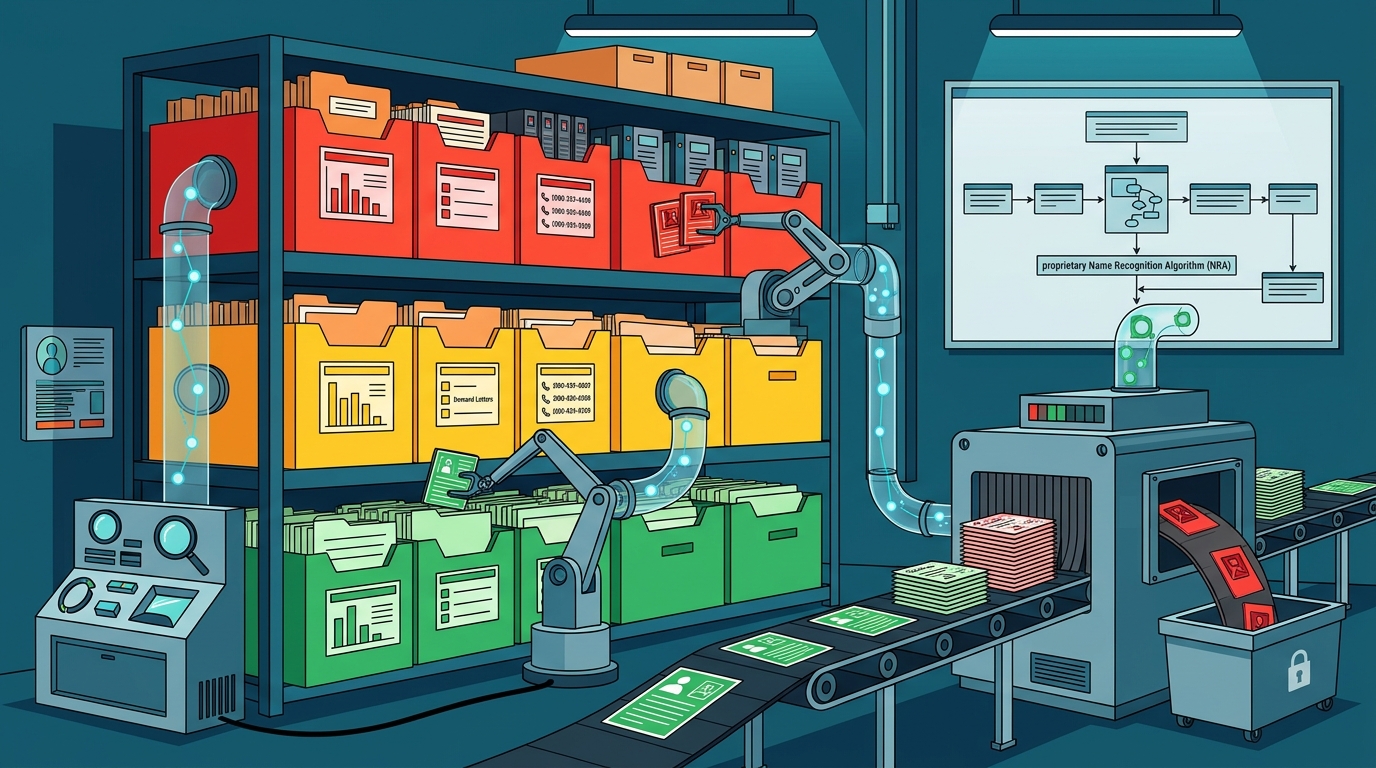
Phone numbers are volatile assets in the TCPA landscape. Serial plaintiffs frequently rotate through new mobile numbers, prepaid lines, or VoIP services to evade standard number-based suppression lists. To counter this, advanced databases utilize a Name Recognition Algorithm (NRA). The NRA is a proprietary technology that matches the identity of the plaintiff rather than just the phone number they used in a previous case. This ensures that if a known serial filer changes their phone number, the database still flags the new number as high-risk.
This approach addresses a major failure mode in basic scrubbing services, which often only compile the specific numbers listed in court documents. If a litigator uses a new number, a basic list will miss them. The TCPA Litigator List FAQ explains that their NRA scrubs against litigator names, safeguarding against the use of trace phone numbers for legal actions. By mapping names to multiple phone numbers, the database creates a persistent risk profile that remains valid even as the plaintiff's contact information changes.
Risk Tiering by Filing Frequency
Not all repeat plaintiffs pose the same level of threat. Databases often organize plaintiffs into risk tiers based on the volume and recency of their filings. A plaintiff who has filed one case in the last five years presents a different risk profile than a serial filer who has filed dozens of cases in the last twelve months. High-frequency filers are often categorized as professional plaintiffs, individuals who treat TCPA claims as a primary income source.
The Enterprise platform highlights that serial TCPA filers seed their numbers into lead sources on purpose. These individuals are aware of the legal landscape and actively hunt for violations. By tiering these plaintiffs, compliance teams can prioritize their suppression efforts. The most aggressive filers are flagged with the highest priority, ensuring they are removed from calling lists before any dialing occurs. This tiered approach allows businesses to allocate their compliance resources more effectively, focusing on the highest-risk entities first.
Integration with Do Not Call and State Regulations
Effective TCPA databases do not operate in a vacuum. They integrate litigator data with Federal Do Not Call (DNC) records and state-specific DNC registries. A Do Not Call registry is a list of phone numbers that have requested not to receive telemarketing calls. While the Federal DNC list is a baseline requirement, state lists often contain additional numbers and specific regulations. Some states, such as California and Florida, have their own high-risk TCPA environments with stricter enforcement.
The Phone Sample Scrub tool allows users to test their lists against multiple databases simultaneously, including TCPA litigators, trolls, Federal DNC, and State DNC lists. This multi-layered approach ensures that a number is checked against all relevant suppression sources. For instance, a number might not be on the Federal DNC list but could be on a state list or associated with a known litigator. By combining these datasets, the database provides a comprehensive view of the compliance risk associated with each phone number.
Real-Time API and Batch Processing
Batch processing, on the other hand, is used for cleaning large lists before a campaign begins. Businesses can upload their entire calling list to the database, which then returns a clean list with all high-risk numbers removed. This method is ideal for pre-campaign compliance checks. The Batch Litigator List Services page describes how this aggregation of phone numbers from TCPA litigation is provided to clients. By offering both real-time and batch options, the database ensures that compliance is maintained throughout the entire customer lifecycle, from initial lead acquisition to ongoing re-engagement.
Key Takeaways
- Litigators vs. Trolls: Databases separate active lawsuit filers from demand letter senders to allow for tailored suppression strategies.
- Name Recognition: Advanced databases use Name Recognition Algorithms to track plaintiffs across multiple phone numbers, preventing evasion through number rotation.
- Risk Tiering: Plaintiffs are categorized by filing frequency and recency, with serial filers flagged as the highest risk.
- Multi-Source Integration: Effective databases combine litigator data with Federal and State Do Not Call registries for comprehensive coverage.
- Access Methods: Real-time API calls and batch processing allow businesses to integrate suppression into both live dialing and pre-campaign list cleaning.
- Continuous Updates: Databases must be updated daily to reflect new filings and number changes, ensuring that suppression lists remain current.
Frequently Asked Questions
What is the difference between a TCPA litigator and a TCPA troll?
A TCPA litigator is an individual who has filed a lawsuit in court, while a TCPA troll is an individual who sends demand letters seeking settlement but has never filed a lawsuit. Databases track both groups separately to help businesses assess different levels of legal risk.
How does a Name Recognition Algorithm work in a TCPA database?
A Name Recognition Algorithm matches the identity of a plaintiff to their phone numbers. This allows the database to flag new numbers associated with a known serial filer, even if the specific number was not used in a previous lawsuit.
Why is it important to update a TCPA litigator database daily?
Serial plaintiffs frequently change their phone numbers and file new cases regularly. Daily updates ensure that the database reflects the most current information, preventing businesses from accidentally calling numbers associated with recent filings.
Can a TCPA database guarantee that a number is safe to call?
No, no screening service can guarantee compliance or prevent litigation. Screening results are informational and help identify potentially high-risk numbers, but businesses remain responsible for obtaining consent and complying with all applicable laws.
How do state Do Not Call lists differ from the Federal DNC list?
State Do Not Call lists contain numbers that have registered with specific state agencies. Some states have stricter regulations and higher enforcement rates than the Federal DNC list. Effective databases integrate both to provide comprehensive suppression.
What is the benefit of using a real-time API for TCPA suppression?
A real-time API allows dialers to check a number against the database at the moment of dialing. This prevents accidental calls to high-risk numbers in real-time, reducing the risk of violations during live campaigns.
Conclusion
Organizing repeat plaintiffs into distinct categories is essential for effective TCPA compliance. By differentiating between litigators and trolls, utilizing name recognition, and integrating with Do Not Call registries, databases provide a robust framework for risk mitigation. TCPA Litigator List offers these advanced organizational tools to help businesses call with confidence. To explore how these categorizations can protect your operations, for a consultation.