

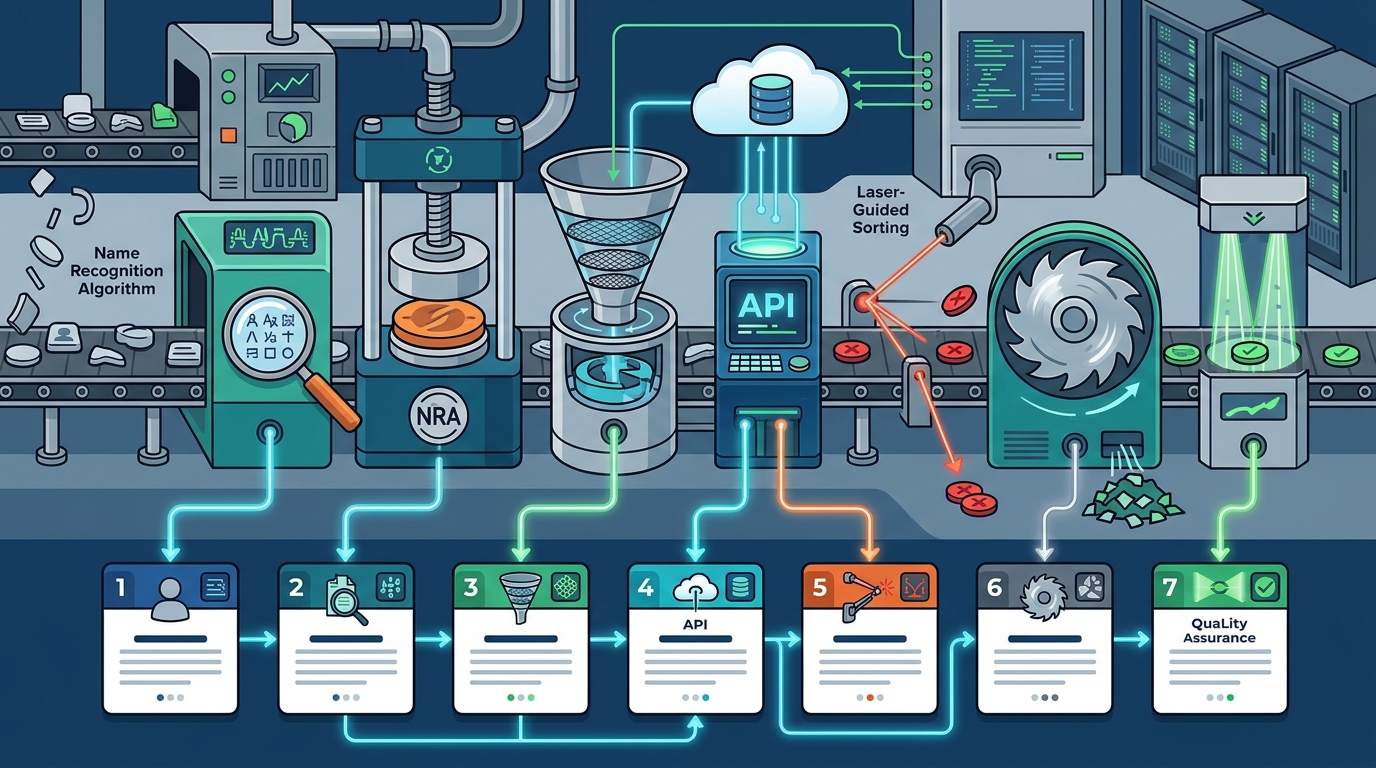
Buying leads without screening them against known TCPA litigators is a high-risk strategy that can lead to costly class actions. The following seven tools and methodologies help lead generation companies filter purchased lists before dialing. These solutions range from proprietary name-matching algorithms to real-time API integrations that protect your database from serial filers.
1. Proprietary Name Recognition Algorithms
Matching names, not just numbers, prevents evasion by serial filers who rotate phone lines. Standard number-only lists fail when a litigator switches to a new prepaid line. A Name Recognition Algorithm (NRA) is a proprietary technology that matches the identity of the individual rather than just the phone number. This approach safeguards against the "trac phone" threat where litigators use burner phones to file suits. By scrubbing against names, you ensure that the person behind the number is flagged regardless of the device they use.
2. Real-Time API Integration
Inline scrubbing at the moment of dialing is the most effective way to prevent accidental calls. Batch scrubbing is useful for initial list cleaning, but it does not protect against numbers added to the registry after your last batch run. A real-time endpoint API is a software interface that checks a phone number against the suppression list in milliseconds before the dialer initiates the call. This ensures that if a number was added to the litigator registry yesterday, your system will block it today. Low latency is critical for maintaining high connect rates while ensuring compliance.
3. TCPA Troll and Demand Letter Databases
Filtering out individuals who send demand letters but have not yet sued reduces legal noise and stress. A TCPA troll is an individual who sends demand letters for statutory damages but has never filed a lawsuit. Many standard scrubbing services only track numbers associated with filed lawsuits, leaving you vulnerable to these pre-litigation threats. Including a database of demand letter senders allows you to suppress these numbers before they become a headache. This proactive approach helps you manage your legal inbox and avoid unnecessary settlement negotiations.
4. Batch List Scrubbing Portals
Uploading entire lead files for bulk processing is the fastest way to clean large purchased datasets. When you purchase a large volume of leads, you need a tool that can process thousands of records at once. A batch scrubbing portal is a web-based interface where you upload Excel or CSV files for automated cleaning. This method removes duplicates, invalid numbers, and flagged litigator numbers in a single pass. It is ideal for initial data hygiene before you import leads into your CRM or dialer system.
5. State-Specific DNC and Litigator Filtering
Applying state-level regulations ensures compliance with local telemarketing laws that differ from federal standards. Federal TCPA rules are the baseline, but many states have their own Do Not Call registries and stricter consent requirements. A state-specific filter is a screening option that applies the regulations of a particular jurisdiction to the numbers in that state. For example, scrubbing against California or Florida lists may yield different results than scrubbing against a national list. This granularity is essential for companies operating across multiple states with varying legal landscapes.
6. Phone Number Verification and Line Type Detection
Verifying that a number is active and identifying its line type prevents wasted dials and potential violations. A phone number verification tool is a service that confirms whether a number is active, disconnected, or a VoIP line. Knowing the line type is crucial because the TCPA treats calls to residential and mobile lines differently. Filtering out disconnected numbers improves your list quality and reduces the risk of calling a number that has been reassigned to a litigator. This step ensures your data is not only compliant but also efficient.
7. Continuous Database Updates and Monitoring
Using a service that adds new litigator numbers daily ensures your suppression list never becomes stale. The TCPA litigation landscape changes rapidly, with new cases filed every month. A static list downloaded once is useless within weeks. Continuous monitoring is a process where the screening provider actively investigates new lawsuits and adds associated numbers to the registry in real-time. This ensures that your suppression list reflects the current legal environment. You need a partner that treats data freshness as a core feature, not an afterthought.
Choosing the Right Screening Tool
Select a tool that combines name recognition with real-time API access for the highest level of protection. If you are processing large volumes of purchased leads, prioritize a provider that offers both batch scrubbing for initial cleaning and an API for inline dialer integration. Ensure the provider updates their database daily and includes both litigators and demand letter senders in their registry.
Frequently Asked Questions
What is a TCPA litigator list?
A TCPA litigator list is a database of phone numbers and names associated with individuals who have filed lawsuits under the Telephone Consumer Protection Act. These lists are used by businesses to scrub their calling lists and avoid dialing numbers linked to professional plaintiffs.
How does a Name Recognition Algorithm work?
A Name Recognition Algorithm is a proprietary technology that matches the name of a contact against a registry of known litigators. This allows the system to flag a number even if the litigator has switched to a new phone line, providing deeper protection than number-only matching.
Can I use a litigator list to guarantee compliance?
No, no screening service can guarantee full compliance or prevent all litigation. Screening results are informational and help identify high-risk numbers, but customers remain responsible for obtaining consent and honoring opt-out requests. You should always consult with legal counsel for specific compliance advice.
What is the difference between a litigator and a TCPA troll?
A litigator is an individual who has filed a lawsuit, while a TCPA troll is an individual who sends demand letters but has not sued. Screening against both groups provides comprehensive protection against both active litigation and pre-litigation threats.
How often should I scrub my purchased leads?
You should scrub your leads before every dialing campaign and use real-time API checks for ongoing dialing. Since new litigator numbers are added to registries daily, a one-time scrub is insufficient for long-term compliance. Continuous monitoring is the best practice for high-volume lead generation.
Protect Your Lead Generation Business
Filtering purchased leads against a comprehensive litigator registry is a critical step in protecting your company from unnecessary legal exposure. By using advanced tools that combine name recognition, real-time API scrubbing, and continuous database updates, you can dial with confidence. To see how our proprietary technology can protect your database, visit TCPA Litigator List today.