
7 Methods for Identifying Prepaid Phone Numbers Hiding Repeat Litigants
Serial TCPA litigators frequently rotate through prepaid mobile lines to evade standard number-based suppression lists. This rotation allows them to file repeat lawsuits against businesses using fresh, unregistered phone numbers. TCPA Litigator List addresses this specific threat by combining number screening with advanced name recognition technology. The following methods outline how to detect these hidden risks before they trigger costly legal actions.
1. Name Recognition Algorithm (NRA) Matching
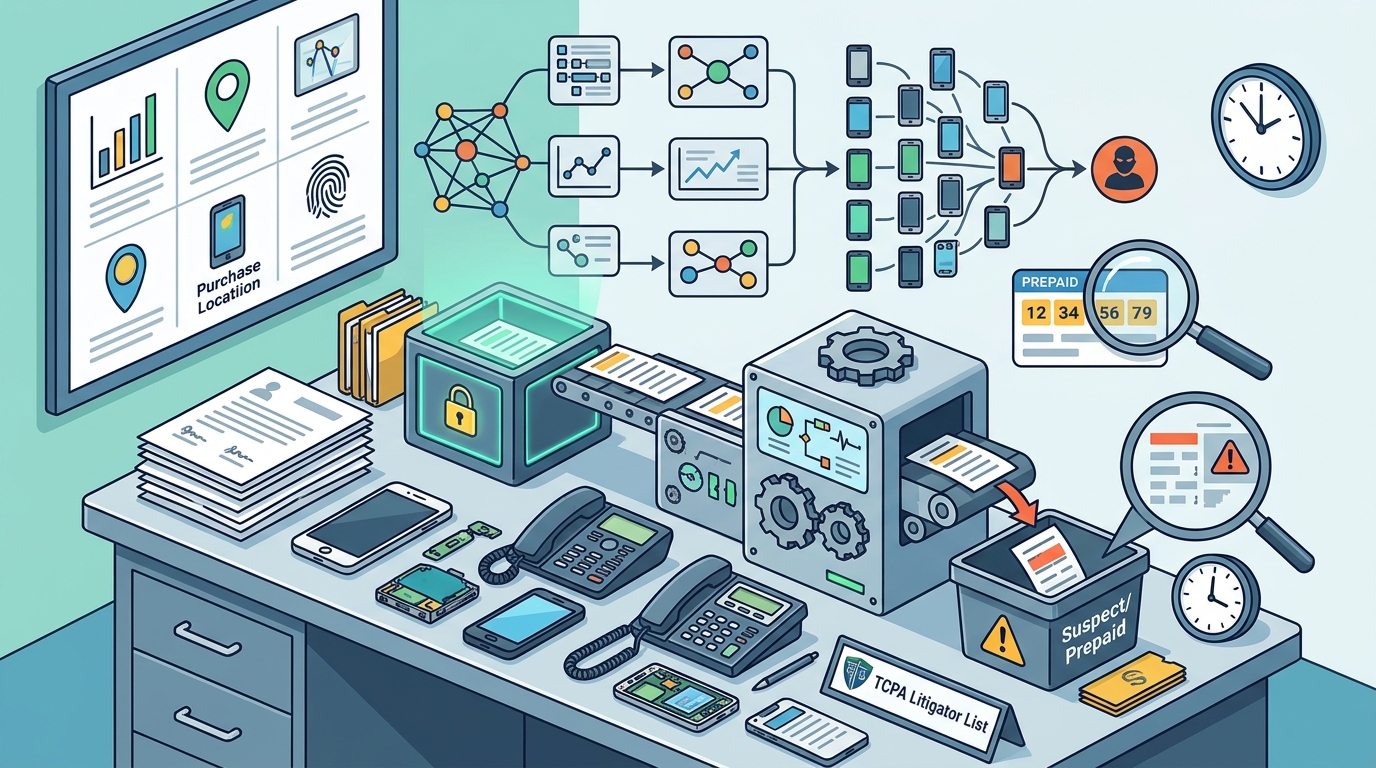
Match the individual, not just the phone number. Standard scrubbing tools fail when a litigator changes their phone number. A Name Recognition Algorithm (NRA) is a proprietary technology that identifies individuals based on their name and associated data rather than a single static number. By cross-referencing the name on your lead list against a database of known serial filers, you can catch the person even if they are using a new prepaid line. This method is critical for stopping the "trac phone" threat where litigators use disposable numbers. according to Prepaid mobile phone
2. Prepaid Line Type Verification
Flag numbers that lack a registered owner. Prepaid phone numbers are often unregistered or registered under names that do not match the lead data. Line type verification is a process that determines whether a number is postpaid, prepaid, or landline. By filtering out or flagging prepaid numbers that do not match the expected name of the contact, you can identify potential traps. This adds a layer of security beyond simple Do Not Call registry checks.
3. Historical Litigation Database Cross-Referencing
Check if the number was used in past lawsuits. Many serial filers reuse specific numbers across multiple cases before rotating. A comprehensive litigation database tracks phone numbers used in TCPA lawsuits from 2000 to the present. By scrubbing your list against this historical data, you can identify numbers that have already been used to file claims. This helps you avoid dialing numbers that are already flagged as high-risk in the legal system.
4. Demand Letter Sender (Troll) Identification
Catch the threats before they become lawsuits. A TCPA troll is an individual who sends demand letters but has not yet filed a lawsuit. These individuals often use prepaid numbers to send threats, creating a legal nuisance before formal litigation begins. Identifying these numbers early allows you to suppress them and avoid the stress and cost of responding to demand letters. This proactive approach saves time and legal fees by stopping the threat at the pre-litigation stage.
5. Real-Time API Scrubbing at Dial Time
Verify the number in the milliseconds before the call connects. Batch scrubbing is often too slow to catch rapid number rotation. Real-time API scrubbing is a method where your dialer queries a suppression database instantly before placing a call. This ensures that if a litigator has just rotated to a new prepaid number, your system catches it immediately. This method is essential for high-volume dialers who need to minimize risk in real-time operations.
6. State-Specific DNC and Litigation Filtering
Apply stricter filters in high-risk jurisdictions. Some states have higher volumes of TCPA litigation and specific state Do Not Call regulations. State-specific filtering is a technique that applies additional suppression rules based on the geographic location of the phone number. By focusing on high-risk states, you can tighten your compliance net where the legal threat is most concentrated. This targeted approach optimizes your scrubbing resources for maximum protection.
7. Continuous Database Updates and Monitoring
Keep your suppression list current with daily updates. The landscape of serial litigators changes daily as new numbers are registered and used. Continuous database updates are a process where new litigation data and phone numbers are added to the suppression list regularly. Without daily updates, your list becomes stale, and you miss the newest prepaid numbers used by professional filers. Consistent monitoring ensures your protection evolves alongside the tactics of the litigators.
Choosing the Right Method
Frequently Asked Questions
Why do serial litigators use prepaid phones?
Prepaid phones are cheap, disposable, and often unregistered. This allows litigators to rotate numbers quickly to evade suppression lists that track specific phone numbers. By using prepaid lines, they can file multiple lawsuits without being easily identified by their phone history.
How does a Name Recognition Algorithm work?
A Name Recognition Algorithm matches the name on your lead list against a database of known litigators. If the name matches a known serial filer, the system flags the number regardless of the phone number itself. This catches litigators who change their phone numbers but keep their identity.
Is batch scrubbing enough to catch prepaid numbers?
Batch scrubbing is effective for historical data but may miss new numbers. For the best protection, combine batch scrubbing with real-time API checks. This ensures that both old and new prepaid numbers are caught before you dial.
What is a TCPA troll?
A TCPA troll is an individual who sends demand letters but has not filed a lawsuit. These individuals use prepaid numbers to create legal threats. Identifying them helps you avoid the cost and stress of responding to demand letters.
How often should I update my suppression list?
You should update your suppression list daily. New litigation data and phone numbers are added regularly. Daily updates ensure your list remains current and effective against the latest threats.
Can I use these methods for all my calls?
Yes, these methods can be applied to all your calls. However, you should prioritize high-risk states and numbers that fail name verification. This optimizes your resources and focuses your protection where it is needed most.
Protect Your Business Today
Implementing these methods requires a robust platform that combines number and name data. TCPA Litigator List provides the tools you need to identify and suppress these high-risk numbers. Visit TCPA Litigator List to start protecting your dialing operations from serial litigators.