
7 Top Methods Call Centers Use to Scrub Against Do Not Call Lists
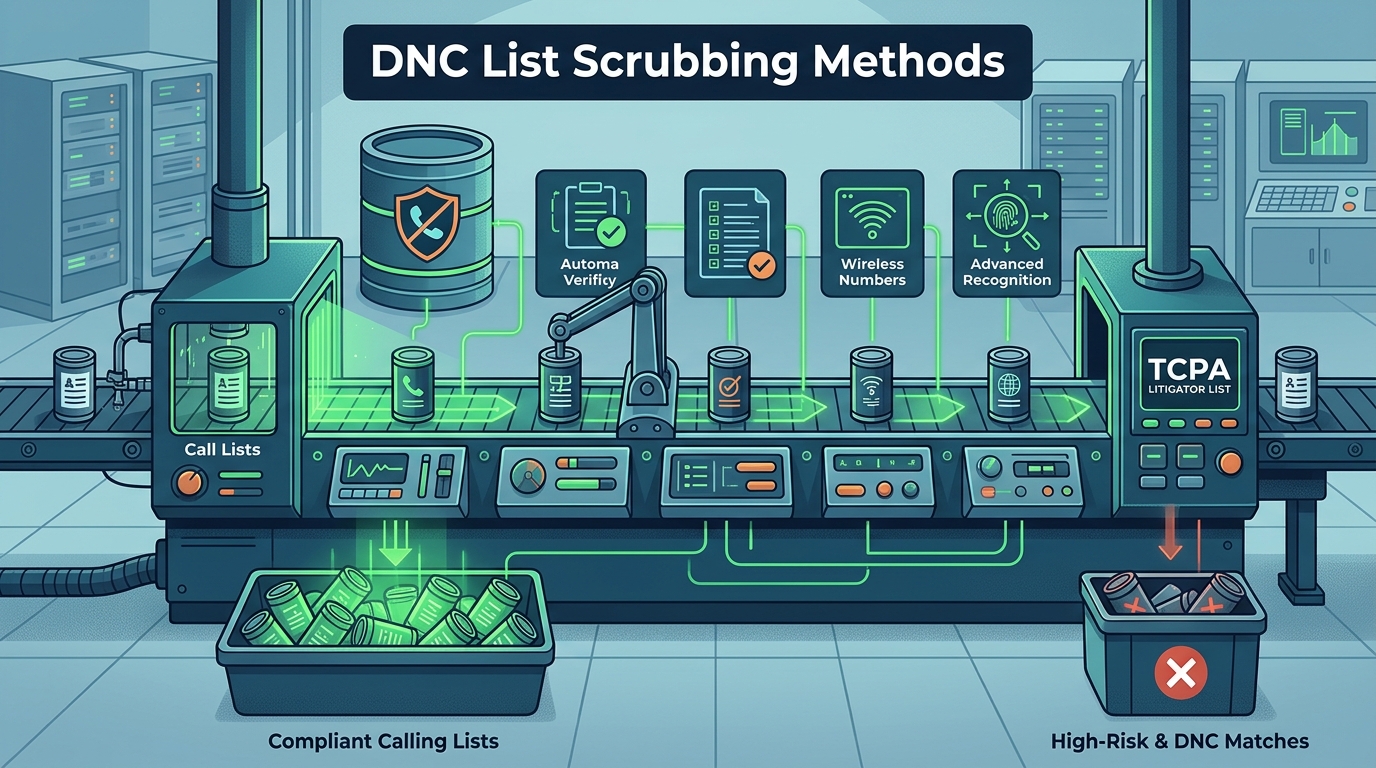
Call centers face strict legal obligations under the Telephone Consumer Protection Act (TCPA) and the National Do Not Call (DNC) Registry. Failure to properly scrub calling lists can result in severe statutory damages and class action lawsuits. TCPA Litigator List provides specialized screening tools that help organizations identify high-risk numbers and maintain compliant dialing practices. This guide outlines the seven most effective methods used by modern call centers to manage DNC compliance and mitigate litigation risk.
1. Batch File Uploads for Pre-Dial Screening
Batch processing allows teams to clean large datasets before campaigns launch. Most call centers maintain static lead lists that require periodic validation. By uploading Excel or CSV files to a scrubbing portal, compliance teams can remove numbers registered on the Federal DNC Registry and state-specific suppression lists. This method is ideal for outbound marketing campaigns where a large volume of numbers must be checked at once. It ensures that no dialer touches a prohibited number before the first call is placed.
2. Real-Time API Integration with Dialers
Real-time API scrubbing checks numbers at the exact moment of dialing. Unlike batch processing, this method integrates directly with predictive dialers and database endpoints. When a dialer selects a number, the system queries a suppression database in milliseconds to verify its status. This approach is critical for dynamic lead lists where numbers may change status between batch updates. It provides the highest level of protection against calling numbers that have recently been added to the DNC Registry.
3. Name Recognition Algorithm (NRA) Matching
Name-based matching identifies professional litigators who rotate phone numbers. A Name Recognition Algorithm is a proprietary technology that cross-references contact names against a database of known TCPA litigators and trolls. Serial filers often use prepaid or traceable numbers to evade number-only suppression lists. By matching the name on the lead record, call centers can flag high-risk contacts even if their phone number is not currently on a suppression list. This method significantly reduces the risk of demand letters and class action suits.
4. State-Specific DNC Registry Compliance
State registries impose additional restrictions beyond the federal DNC list. Many U.S. states maintain their own Do Not Call registries with unique rules and penalties. Call centers must scrub their lists against these state-specific databases to avoid violations. Some states have stricter enforcement and higher statutory damages than the federal baseline. Using a scrubbing service that covers all 50 states ensures that compliance teams do not miss regional restrictions that could trigger legal action.
5. Internal Suppression List Management
Internal DNC lists track customers who have opted out of future calls. When a consumer requests to be removed from a company's calling list, that number must be added to an internal suppression file. This list is distinct from the Federal DNC Registry and must be honored for a minimum of five years. Effective scrubbing tools allow businesses to upload their internal suppression lists and cross-reference them against external databases. This ensures that no number is dialed if it appears on any suppression file, whether internal or external.
6. Phone Number Verification and Line Type Detection
Verifying line type helps distinguish between residential and business numbers. The TCPA has different consent requirements for residential and business lines. A phone number verification service is a tool that determines the carrier and line type of a number. By identifying whether a number is a mobile, landline, or business line, call centers can apply the correct consent rules. This method helps prevent accidental violations caused by misclassified numbers in lead databases.
7. Automated Daily Database Updates
Continuous updates ensure that suppression lists remain current. The DNC Registry and litigation databases change daily as new numbers are added and removed. Static lists become obsolete quickly, leaving call centers exposed to new risks. Automated daily updates ensure that scrubbing tools reflect the most recent data available. This method is essential for maintaining a high level of compliance without requiring manual intervention from the compliance team.
Choosing the Right Scrubbing Method
The best method depends on your call volume and risk tolerance. Small operations may rely on batch uploads, while high-volume centers require real-time API integration. Most successful call centers use a combination of these methods to create a layered defense. By integrating name recognition, state compliance, and real-time checks, you can build a robust compliance program that protects your business from legal exposure.
Frequently Asked Questions
How often should call centers scrub their calling lists?
Call centers should scrub their lists before every major campaign and use real-time API checks for dynamic dialing. Batch lists should be updated at least monthly to account for new DNC registrations. Real-time scrubbing provides continuous protection for numbers dialed in the moment.
What is the difference between the Federal DNC Registry and state registries?
The Federal DNC Registry is a national database of consumers who have opted out of telemarketing calls. State registries are separate databases maintained by individual states, often with stricter rules. Compliance requires scrubbing against both federal and applicable state lists to avoid penalties. according to Why Sex Offender
Can a scrubbing service guarantee complete TCPA compliance?
No scrubbing service can guarantee complete compliance or prevent all litigation. Screening results are informational and do not constitute a legal determination. Businesses remain responsible for obtaining consent, maintaining internal suppression lists, and adhering to all applicable laws.
Why is name recognition important in DNC scrubbing?
Name recognition helps identify professional litigators who may use new phone numbers to evade suppression. By matching names against a database of known litigators, call centers can flag high-risk contacts even if their numbers are not on the DNC list. This adds a critical layer of protection against serial filers.
What happens if a call center dials a number on the DNC Registry?
Dialing a number on the DNC Registry can result in statutory damages of up to $1,500 per call for willful violations. Repeated violations can lead to class action lawsuits and significant legal fees. Proper scrubbing is essential to avoid these costly penalties.
Start Protecting Your Dialing Operations
Implementing these seven scrubbing methods creates a comprehensive defense against DNC violations and TCPA litigation. TCPA Litigator List offers the tools you need to integrate these methods into your existing workflow. Our platform combines batch scrubbing, real-time API access, and proprietary name recognition to provide maximum protection. To plan your visit, to discuss how our services can support your compliance program.