
How do TCPA litigator databases help you identify repeat lawsuit filers?
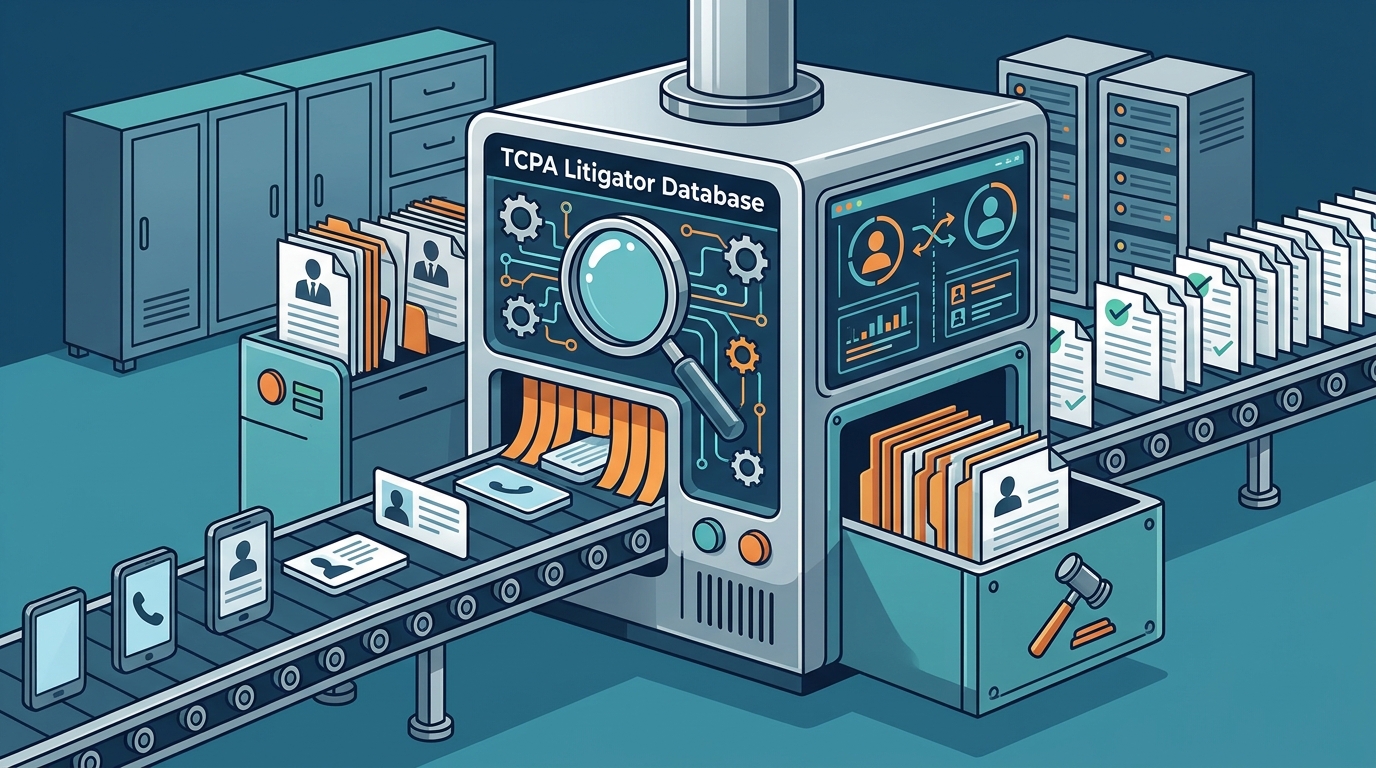
A TCPA litigator database is a specialized registry that compiles phone numbers and names associated with prior Telephone Consumer Protection Act (TCPA) lawsuits. By cross-referencing your calling lists against this data, you can identify repeat lawsuit filers before they dial your business. This proactive screening helps mitigate legal exposure and protects your telemarketing operations from costly litigation.
What is a TCPA litigator database?
A TCPA litigator database is a comprehensive collection of contact information linked to individuals who have previously filed TCPA claims. These databases track not only the phone numbers used in past lawsuits but also the names of the plaintiffs. This dual-tracking approach is critical because serial filers often rotate phone numbers to evade standard number-based suppression lists. By maintaining a registry of both numbers and names, these tools provide a more robust layer of defense against professional litigants.
The core function of these databases is to flag high-risk contacts before a call is placed. When a number or name in your lead list matches an entry in the database, the system flags it for review or suppression. This process is essential for businesses that rely on automated dialing systems, as a single call to a known litigator can trigger a class action lawsuit with significant statutory damages.
The threat of serial filers and demand letters
Serial TCPA filers are individuals who file multiple lawsuits or send demand letters to various businesses in a short period. These actors often seed their phone numbers into lead generation sources or purchase lists from third-party vendors. Their goal is to wait for a business to dial their number, thereby creating a basis for a TCPA violation claim. Identifying these repeat filers is a primary function of advanced litigator databases.
In addition to those who file lawsuits, many databases track "TCPA trolls." A TCPA troll is an individual who sends demand letters seeking settlement but has never actually filed a lawsuit. While these individuals do not immediately trigger litigation, they represent a significant operational risk and financial drain. By identifying both litigators and trolls, businesses can suppress these contacts and avoid unnecessary legal fees and administrative burdens.
Name Recognition Algorithms and advanced matching
Standard phone scrubbing services often rely solely on matching phone numbers against a list of previously used numbers. However, this approach fails when a litigator switches to a new phone number. To address this, advanced databases utilize a Name Recognition Algorithm (NRA). An NRA is a proprietary technology that matches the name of the contact person against a database of known litigators and trolls. This ensures that even if a serial filer changes their phone number, the system will still flag the contact based on their identity.
This name-based matching is a critical differentiator in the compliance space. It provides a safety net against the "trac phone" threat, where litigators use temporary or prepaid numbers to avoid detection. By combining number-based and name-based matching, TCPA Litigator List offers a more comprehensive protection layer than standard scrubbing tools. This dual approach significantly reduces the likelihood of accidental contact with a repeat filer.
Real-time API integration for dialers
For businesses using automated dialing systems, batch scrubbing alone is often insufficient. Real-time API integration allows the database to check each number at the moment of dial. This ensures that the most up-to-date information is used to make a decision. The API returns a response in milliseconds, allowing the dialer to skip flagged numbers without impacting connect rates or campaign performance. This real-time capability is essential for high-volume callers who need to maintain compliance while maximizing outreach.
Integrating a litigator database via API also provides an audit trail. Each scrub event is logged, creating a record of when and how a number was checked. This documentation can be valuable in the event of a legal challenge, as it demonstrates that the business took reasonable steps to avoid contacting known litigators. The speed and reliability of the API are key factors in choosing a compliance partner, as delays or failures in the scrubbing process can lead to accidental violations.
Benefits of proactive screening and risk mitigation
Proactive screening with a TCPA litigator database offers several key benefits for businesses. First, it reduces legal exposure by preventing calls to known high-risk individuals. Second, it improves the quality of your lead lists by removing duplicates and invalid numbers. Third, it provides peace of mind, allowing your team to focus on sales and customer engagement rather than legal defense. By integrating these tools into your compliance program, you can create a more resilient and efficient telemarketing operation.
Furthermore, these databases are continuously updated with new cases and filings. This ensures that your suppression list remains current and effective. As the TCPA landscape evolves, with new court rulings and regulatory changes, a dynamic database helps you stay ahead of emerging risks. Regular updates and comprehensive coverage are essential for maintaining a robust compliance posture in a complex legal environment.
Key Takeaways
- A TCPA litigator database is a registry of phone numbers and names associated with prior TCPA lawsuits.
- Serial filers often rotate phone numbers, making name-based matching essential for effective suppression.
- Advanced databases use a Name Recognition Algorithm (NRA) to flag contacts based on identity, not just phone number.
- Real-time API integration allows for instant scrubbing at the moment of dial, ensuring up-to-date compliance.
- Tracking "TCPA trolls" helps avoid demand letters and unnecessary legal fees.
- Proactive screening reduces legal exposure and improves lead list quality.
- Continuous updates to the database ensure that your suppression list remains current and effective.
Frequently Asked Questions
What is the difference between a TCPA litigator and a TCPA troll?
A TCPA litigator is an individual who has filed a lawsuit under the TCPA. A TCPA troll is an individual who sends demand letters seeking settlement but has not filed a lawsuit. Both represent risks, but litigators pose a more immediate legal threat.
How does a Name Recognition Algorithm work?
A Name Recognition Algorithm matches the name of a contact person against a database of known litigators and trolls. This allows the system to flag a contact even if they are using a new phone number, providing an additional layer of protection.
Can a TCPA litigator database guarantee compliance?
No, no screening service can guarantee compliance or prevent all litigation. These tools are designed to help identify high-risk numbers and support your compliance program, but you remain responsible for obtaining consent and honoring opt-out requests.
How often are these databases updated?
What is the best way to integrate a litigator database?
The best way to integrate a litigator database is through a real-time API. This allows you to scrub numbers at the moment of dial, ensuring that the most up-to-date information is used to make a decision.
Do these databases cover state-specific regulations?
Many advanced databases include state-specific Do Not Call lists and regulations. This allows you to scrub against both federal and state requirements, ensuring comprehensive compliance across different jurisdictions.
Conclusion
Identifying repeat lawsuit filers is a critical component of a robust TCPA compliance program. By leveraging a specialized TCPA litigator database, you can protect your business from the financial and operational risks associated with serial filers and trolls. The combination of number-based and name-based matching, along with real-time API integration, provides a comprehensive solution for modern telemarketing operations. To learn more about how our services can help you mitigate risk, visit the TCPA Litigator List homepage or explore our API documentation for integration details. For a deeper understanding of our technology, read our About Us page. You can also review our TCPA Checklist to ensure your overall compliance strategy is solid. If you have specific questions, feel free to for a consultation.