
Lead generation companies identify problematic contacts by screening phone numbers against databases of known TCPA litigators and demand letter senders. This process filters out high-risk numbers before dialing, reducing the chance of triggering statutory damages. TCPA Litigator List provides the specialized data infrastructure required to execute this screening effectively.
The Mechanics of Litigator Screening
Standard phone number verification checks if a line is active or mobile. Litigator screening goes further by checking if the number is associated with a professional plaintiff. A litigator list is a database of phone numbers used in TCPA lawsuits filed by professional plaintiffs. These individuals often seed their numbers into lead sources specifically to trigger violations. When a dialer hits one of these numbers, the result is often a class action lawsuit rather than a simple complaint.
Traditional scrubbing services often fail because they only track the specific number listed in a single lawsuit. Professional litigators rotate through multiple phone numbers, including prepaid lines and VoIP numbers. If a scrubbing service only tracks the number from the 2024 lawsuit, it will miss the new number used in 2026. This gap leaves lead generation companies exposed to serial filers who change their contact details frequently.
Why Name Recognition Matters
Phone numbers change, but names do not. This is why a Name Recognition Algorithm is a critical component of modern compliance. This technology is a proprietary method that matches the name on a lead record against a database of known TCPA litigators and trolls. Even if a serial filer switches to a new phone number, the name remains the same. The algorithm flags the lead based on the identity of the person, not just the device they are using.
Consider a scenario where a lead database contains a record for "John Doe" with a new mobile number. A standard number-based scrub might pass this number because it has never appeared in a court filing. However, a name-based system recognizes "John Doe" as a known TCPA troll who has sent hundreds of demand letters. The system flags the record for suppression. This layer of defense is essential for lead generation companies that purchase lists from third-party aggregators, where data quality is often inconsistent.
Understanding the TCPA Troll Threat
Not every legal threat results in a lawsuit. Many individuals operate as TCPA trolls, which are individuals who send demand letters seeking settlements but have never filed a lawsuit. These actors create significant administrative burdens for lead generation companies. They flood inboxes with threats, demanding payment to avoid litigation. While they may not actually sue, the cost of responding to these demands and the internal stress they cause are substantial.
Identifying these individuals before a call is made allows companies to suppress the number entirely. This prevents the initial contact that triggers the demand letter. By maintaining a separate database of troll numbers and names, companies can filter out these high-risk contacts. This approach saves legal fees and operational time. It also protects the brand from the reputational damage associated with aggressive legal threats.
Integrating Screening into the Dialing Workflow
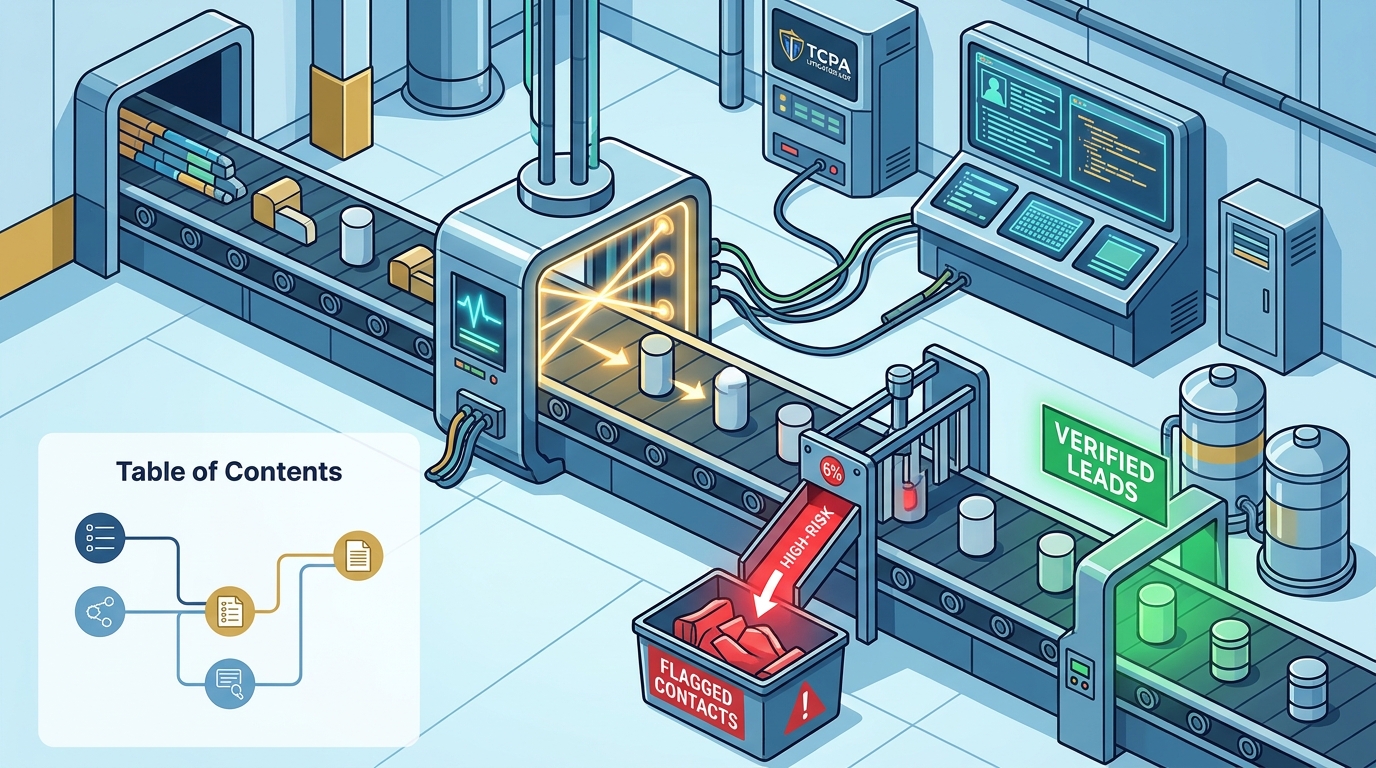
Screening must happen in real-time to be effective. Batch processing at the end of the day is not enough because lead lists are dynamic. New numbers are added, and old numbers are updated. A real-time API is an interface that allows a dialer to query a suppression database instantly before placing a call. This ensures that the check happens at the moment of dialing, not hours or days later.
Lead generation platforms can integrate this API directly into their dialer software. When an agent clicks to call a lead, the system sends the phone number and name to the screening service. The service returns a clean or dirty status in milliseconds. If the status is dirty, the dialer blocks the call. This automation removes human error from the compliance process. It ensures that no agent can accidentally dial a high-risk number, even if they are in a rush.
Building a Comprehensive Suppression Strategy
Reliance on a single data source is risky. A robust compliance program combines multiple layers of screening. This includes the federal Do Not Call registry, state-specific DNC lists, and internal suppression lists. However, these lists do not capture professional litigators. They are designed for consumer privacy, not litigation risk. Adding a specialized litigator list fills this critical gap.
Companies should also maintain their own internal suppression list. This list tracks any number that has complained about a call, even if the complaint was minor. Over time, this internal list becomes a valuable asset. It reflects the specific risk profile of the company's customer base. Combining internal data with external litigator data creates a comprehensive shield. It protects against both regulatory violations and strategic litigation.
Key Takeaways
- Standard phone verification does not protect against professional TCPA litigators.
- Name Recognition Algorithms are essential for catching serial filers who rotate phone numbers.
- TCPA trolls create administrative burdens that can be mitigated by pre-call screening.
- Real-time API integration ensures screening happens at the moment of dialing.
- A comprehensive strategy combines federal DNC, state lists, and specialized litigator data.
- Internal suppression lists should be maintained to track company-specific complaints.
Frequently Asked Questions
What is the difference between a litigator and a troll?
A litigator is a person who has filed a TCPA lawsuit. A troll is a person who sends demand letters but has not filed a lawsuit. Both are high-risk contacts that should be suppressed.
How often should I update my suppression list?
You should update your list in real-time using an API. Batch updates are insufficient because new litigator numbers are added daily. Real-time screening ensures you have the most current data.
Can I use a free DNC list for this purpose?
No. The federal DNC list is for consumer privacy. It does not contain data on professional litigators or trolls. You need a specialized database for litigation risk mitigation.
What happens if I call a number on the litigator list?
You risk triggering a class action lawsuit or a demand letter. Statutory damages for TCPA violations are significant, and professional plaintiffs are skilled at maximizing settlements.
Is name-based screening legal?
Yes. Using publicly available data to screen for compliance risks is a standard business practice. It is not a legal determination of guilt, but a risk management tool.
How does the API work with my dialer?
The API sends the phone number and name to the screening service. The service returns a status indicating if the number is clean or flagged. The dialer then allows or blocks the call based on this status.
Conclusion
Protecting your lead generation business from TCPA litigation requires more than basic phone verification. It requires specialized intelligence on professional plaintiffs and demand letter senders. By integrating a comprehensive litigator list into your dialing workflow, you can significantly reduce your legal exposure. TCPA Litigator List offers the tools and data you need to call with confidence. Visit our contact page to learn more about how our screening services can protect your business. according to Frontiers A review