

Check reassigned phone numbers by querying the FCC Reassigned Numbers Database (RND) or using a third-party API that integrates with the RND. This process verifies if a number has been ported to a new owner, ensuring your consent records remain valid. Implementing this check prevents accidental TCPA violations when calling numbers that have changed hands. For additional details, review the Contact TCPA Litigator DNC.
The Mechanics of Number Reassignment
Number reassignment is the process where a telecommunications carrier recycles a disconnected phone number and assigns it to a new customer. This happens frequently because the pool of available phone numbers is finite. When a consumer cancels their service, the number enters a holding period before being released back into the carrier's inventory. Once released, it can be assigned to a completely different person, potentially in a different state or with a different carrier.
The risk arises when a business retains a number in its database based on past consent. If that number is reassigned, the new owner has not consented to your calls. Under the Telephone Consumer Protection Act (TCPA), calling a reassigned number without new consent can trigger statutory damages. The FCC mandates that callers check the Reassigned Numbers Database to mitigate this risk. This regulatory requirement shifts the burden of verification from the consumer to the telemarketer. according to The FCC s
Understanding this mechanism is critical for compliance. It is not enough to simply have a record of consent; the consent must be tied to the current holder of the number. If you are using a static list, you are operating with outdated data. The dynamic nature of number recycling means that a number valid yesterday may be invalid today. This is why real-time or frequent batch checks are necessary for high-volume dialing operations.
Using the FCC Reassigned Numbers Database
The FCC Reassigned Numbers Database (RND) is the authoritative source for determining if a number has been reassigned. It is a public database maintained by the FCC that tracks number porting and reassignment events. Businesses can query this database to check if a specific number has been reassigned since a certain date. The database provides a response indicating whether the number has been reassigned and, if so, when.
Direct access to the RND is available through the FCC's API. However, integrating directly with the FCC API can be complex for many businesses, especially those without dedicated engineering resources. The API requires specific authentication and handling of rate limits. For most telemarketing companies, using a third-party service that wraps the FCC RND API is a more practical solution. These services provide a simplified interface that returns a clear yes/no answer regarding reassignment status.
When using the RND, it is important to understand the data granularity. The database tracks reassignment events, but it does not provide the name of the new owner. It only confirms that the number has changed hands. This means you must still manage your consent records carefully. If the RND indicates a reassignment, you must treat the number as having no consent and remove it from your active dialing list. This step is non-negotiable for compliance.
Integrating Reassignment Checks into Your Workflow
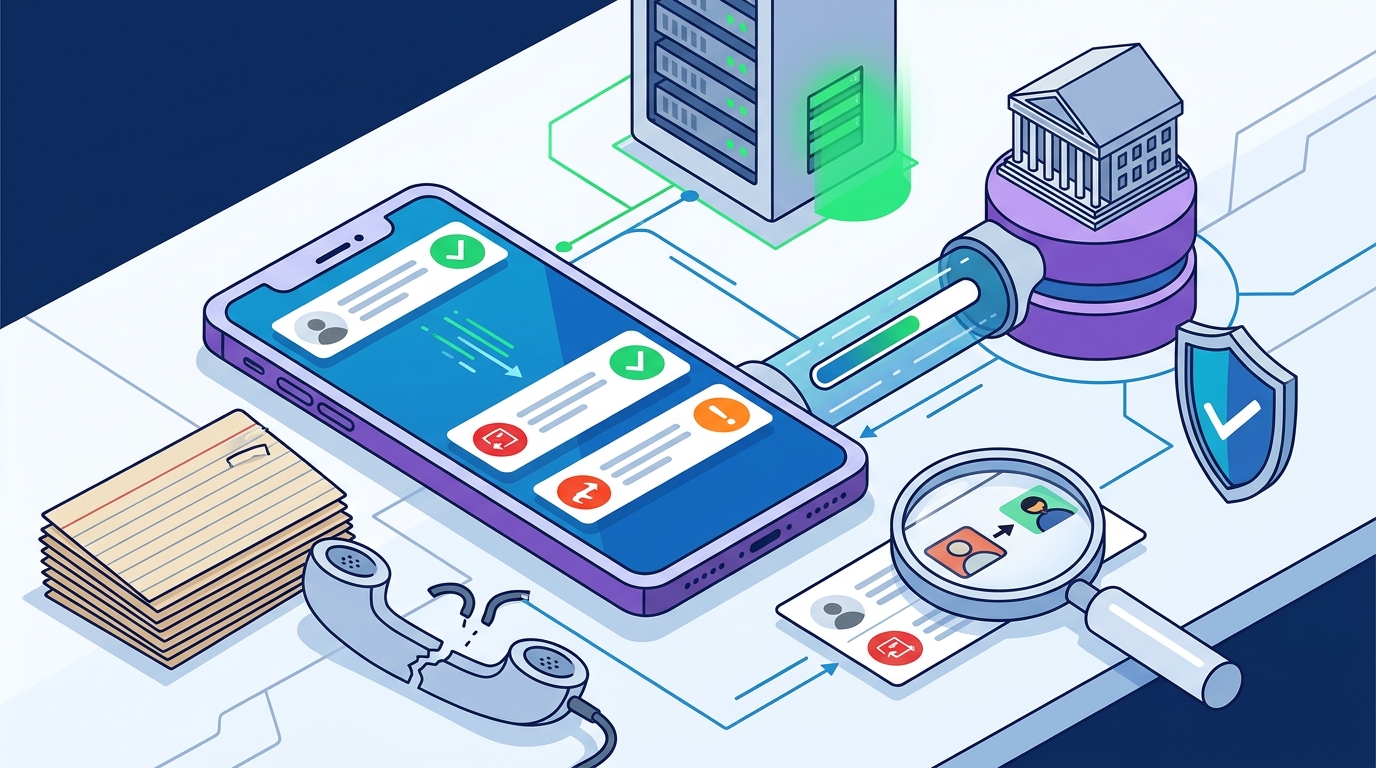
Integrating reassignment checks into your dialer or CRM is the most effective way to prevent violations. This can be done in real-time, just before a call is placed, or in batch mode, where you scrub your entire list periodically. Real-time checks are ideal for predictive dialers, as they ensure that every single call is made to a valid, consented number. Batch checks are suitable for smaller lists or less frequent dialing campaigns.
For real-time integration, your dialer software must be capable of making an API call to the reassignment service before initiating the call. This adds a small latency to the dialing process, but it is a necessary trade-off for compliance. The response time for these checks is typically in milliseconds, so the impact on connect rates is minimal. You should configure your system to automatically suppress any number that returns a positive reassignment flag.
Batch integration involves uploading your list to a scrubbing service that checks each number against the RND. This is useful for cleaning up legacy data or preparing for a large campaign. The service will return a cleaned list with reassigned numbers removed. This approach is less granular than real-time checking but is effective for maintaining overall list hygiene. Combining both methods provides the strongest protection against TCPA risks.
Managing Consent and Suppression Lists
Reassignment checks are only one part of a comprehensive TCPA compliance strategy. You must also maintain robust suppression lists that include Do Not Call (DNC) registrations and internal opt-outs. A number can be reassigned and also registered on the DNC list. Your scrubbing process should check for both conditions. If a number is on the DNC list, it must not be called, regardless of reassignment status.
Consent management is equally important. When a number is reassigned, the previous consent is void. You must have a process for obtaining new consent from the new owner if you wish to continue marketing to that number. This typically involves a new opt-in process, such as a web form or a live agent call. You should document this new consent with a timestamp and method of acquisition. This documentation is crucial for defending against potential lawsuits. according to The FCC s
Regular audits of your consent records are recommended. This involves reviewing a sample of your database to ensure that consent records are accurate and up-to-date. If you find discrepancies, you should investigate and correct them. This proactive approach helps identify systemic issues in your data collection processes. It also demonstrates good faith in your compliance efforts, which can be beneficial in legal proceedings.
Key Takeaways
- Number reassignment is a common occurrence that can invalidate existing consent records.
- The FCC Reassigned Numbers Database (RND) is the primary tool for checking reassignment status.
- Real-time API integration is the most effective method for preventing TCPA violations.
- Batch scrubbing is useful for cleaning up legacy lists and preparing for campaigns.
- Reassignment checks must be combined with DNC and internal suppression list checks.
- Proper consent management and documentation are essential for legal defense.
- Regular audits of your database help maintain data integrity and compliance.
Frequently Asked Questions
How often should I check for reassigned numbers?
For high-volume dialing, real-time checks before each call are recommended. For lower-volume operations, batch checks weekly or monthly are sufficient. The frequency should be based on your risk tolerance and dialing volume.
Does the FCC RND provide the name of the new number owner?
No, the FCC RND only indicates whether a number has been reassigned and when. It does not provide the name or contact information of the new owner. You must obtain new consent through your own marketing channels.
Can I use a third-party service to check the RND?
What happens if I call a reassigned number by mistake?
Calling a reassigned number without new consent can result in TCPA violations and statutory damages. The new owner can sue for damages, and the FCC can impose fines. It is important to have a process in place to prevent such calls.
How do I obtain new consent from a reassigned number owner?
You can obtain new consent through a web form, a live agent call, or an automated message that clearly identifies your business and requests consent. The consent must be explicit and documented. You should not rely on the previous owner's consent.
Conclusion
Checking for reassigned phone numbers is a critical component of TCPA compliance. By using the FCC Reassigned Numbers Database or a third-party API, you can ensure that your calls are made to the intended recipients. This process protects your business from legal liability and maintains trust with your customers. Implementing real-time or batch reassignment checks is a best practice for any telemarketing operation. For more information on how to integrate these checks into your workflow, visit the TCPA Litigator List website.