
7 Ways to Verify Do Not Call List Compliance Before Launching Campaigns
Launching a telemarketing campaign without verifying Do Not Call (DNC) compliance exposes your business to significant legal and financial risk. The Telephone Consumer Protection Act (TCPA) and the National Do Not Call Registry impose strict rules on how and when businesses can contact consumers. TCPA Litigator List provides specialized screening tools to help organizations identify high-risk numbers and maintain robust compliance programs before a single dial is made.
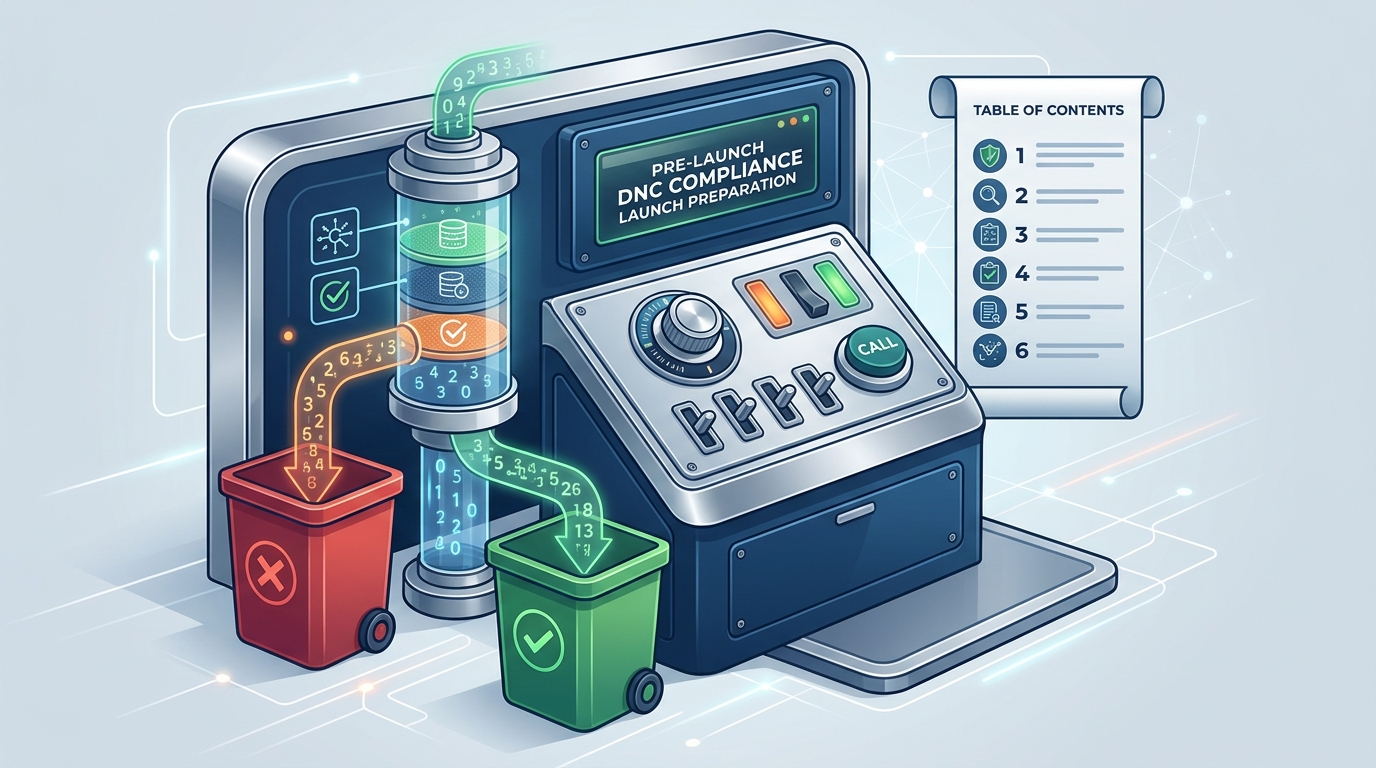
1. Scrub Against the National Do Not Call Registry
Always filter your calling list against the official Federal Trade Commission (FTC) registry. The National Do Not Call Registry is the primary federal database that lists consumers who have opted out of telemarketing calls. Businesses must purchase and update this list every 31 days to ensure they are working with the most current data. Failing to scrub against this registry is a direct violation of federal law and a primary trigger for regulatory enforcement.
2. Check State-Specific Do Not Call Lists
Many states maintain their own independent DNC registries with stricter rules than the federal list. State-level regulations often require additional consent or impose higher penalties for violations. A number that is not on the federal registry might still be protected under state law. Verifying your list against relevant state databases ensures you respect local consumer preferences and avoid state-level legal exposure.
3. Filter Out Known TCPA Litigators and Trolls
Identify and suppress numbers associated with serial TCPA plaintiffs and demand letter senders. Some individuals intentionally seed their phone numbers into lead sources to trigger lawsuits or demand settlements. TCPA Litigator List maintains a specialized database of these high-risk numbers and associated names. Using a Name Recognition Algorithm (NRA) helps identify these individuals even if they rotate to new phone numbers, significantly reducing the risk of targeted litigation.
4. Validate Phone Number Status and Type
Ensure you are only calling numbers that are active and correctly classified. Calling disconnected numbers or numbers that have been reassigned to different owners can lead to accidental violations. Phone number verification tools can confirm if a number is active, mobile, or landline. This step helps prevent wasted dialing efforts and reduces the chance of contacting a new owner who never consented to your calls.
5. Maintain an Internal Suppression List
Keep a centralized record of every consumer who has asked not to be called. When a customer opts out of your specific marketing efforts, you must honor that request immediately and permanently. An internal suppression list ensures that these numbers are never dialed again, even if they are not on the national or state registries. This practice is a critical component of a defensible compliance program.
6. Verify Consent Records and Documentation
Confirm that you have valid, documented consent for every number on your list. The TCPA requires prior express written consent for many types of marketing calls and texts. Your compliance process should include a check to ensure that consent was obtained, recorded, and has not been revoked. Without proper documentation, you cannot prove compliance in the event of a lawsuit or regulatory inquiry.
7. Implement Real-Time API Scrubbing
Integrate automated scrubbing into your dialer workflow for instant verification. Batch scrubbing is useful for large lists, but real-time API scrubbing checks each number at the moment of dial. This approach ensures that any recent changes to a number's status or registry listing are caught before the call is placed. It provides the highest level of protection for high-volume calling operations.
Choosing the Right Verification Method
The best approach depends on your campaign volume and risk tolerance. For small, low-volume campaigns, manual checks against the national registry and internal suppression lists may suffice. For high-volume or enterprise operations, a combination of real-time API scrubbing, state list checks, and litigator filtering is essential. TCPA Litigator List offers scalable solutions that integrate with your existing dialer infrastructure to provide comprehensive pre-dial protection.
Frequently Asked Questions
How often must I update my Do Not Call list?
You must update your National Do Not Call Registry list every 31 days. State-specific lists may have different update frequencies, so check the requirements for each jurisdiction where you operate.
What is a TCPA troll?
A TCPA troll is an individual who intentionally places their phone number in lead sources or databases to trigger telemarketing calls, with the goal of filing lawsuits or sending demand letters for settlements.
Does scrubbing my list guarantee I won't get sued?
No, scrubbing reduces risk but does not guarantee immunity. Screening results are informational and do not constitute a legal determination. You must also maintain proper consent records and honor all opt-out requests.
Can I call numbers that are not on the DNC registry?
You can only call numbers that are not on the registry if you have valid prior express written consent or an established business relationship, depending on the type of call. Always verify consent before dialing.
What is the difference between a litigator list and a DNC list?
A DNC list contains numbers of consumers who have opted out of telemarketing calls. A litigator list contains numbers associated with individuals who have filed TCPA lawsuits or sent demand letters. They serve different compliance purposes.
Protect Your Campaign with TCPA Litigator List
Compliance is not a one-time task; it is an ongoing process that requires the right tools and data. By implementing these seven verification steps, you can significantly reduce your legal exposure and protect your brand reputation. TCPA Litigator List provides the specialized data and API integrations you need to scrub your lists effectively. to learn how our risk mitigation services can help you call with confidence.