
Choosing the right TCPA litigator database is a critical step in protecting your telemarketing operations from costly legal exposure. A robust database does more than simply list phone numbers; it provides the intelligence needed to identify high-risk contacts before they are dialed. By focusing on specific technical and operational features, you can ensure your compliance program is built on a foundation of accuracy and speed.
1. Proprietary Name Recognition Algorithm
Matching by name prevents evasion tactics used by serial filers. Many professional litigators use prepaid or disposable phone numbers to avoid detection by standard number-based lists. A Name Recognition Algorithm (NRA) is a proprietary technology that matches the identity of the individual rather than just the phone number. This feature is essential for catching serial filers who rotate through multiple devices or lines. It ensures that the database flags the person, not just the specific number they used in a previous lawsuit.
2. Real-Time API Integration
Inline scrubbing at the moment of dial is the gold standard for risk mitigation. Batch scrubbing is useful for list hygiene, but it cannot protect against numbers added to a database after your last batch run. A real-time API allows your dialer to check a number against the litigator database in milliseconds before the call is placed. This immediate feedback loop is critical for high-volume operations where a single missed flag can result in significant statutory damages.
3. Comprehensive Litigator and Troll Coverage
Protection must extend beyond those who sue to those who send demand letters. A TCPA troll is an individual who sends demand letters but has never filed a lawsuit. Including these individuals in your suppression list helps prevent the initial legal threats that often precede formal litigation. A high-quality database aggregates data from both filed lawsuits and demand letters, providing a broader safety net for your compliance team.
4. Daily Data Updates
Static lists become obsolete quickly in a rapidly evolving litigation landscape. New TCPA cases are filed every day, and new numbers are associated with existing litigators. A database that updates its records daily ensures that your suppression list reflects the current legal environment. Without frequent updates, your database may miss recent additions, leaving your business vulnerable to new threats that emerged just days before your dialing campaign.
5. State-Specific DNC and Litigation Data
Federal compliance is only part of the picture; state regulations vary significantly. Some states have their own Do Not Call registries and stricter telemarketing laws. A robust database should allow you to scrub against state-specific lists in addition to the federal registry. This granular control ensures that you are compliant not just with federal law, but with the specific regulations of the states where your prospects are located.
6. High-Throughput Batch Processing
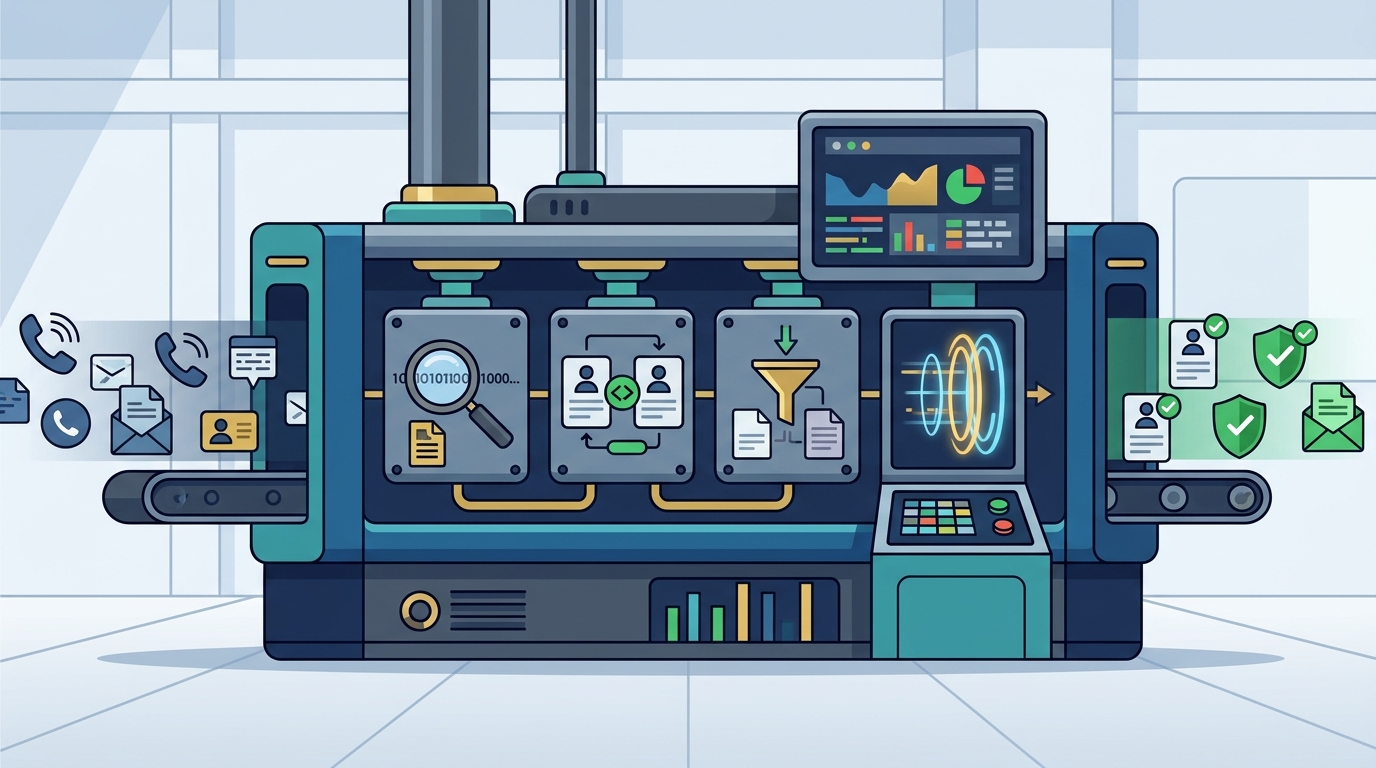
Efficient bulk scrubbing is necessary for maintaining large lead databases. Before you dial, you need to clean your existing lists to remove any numbers that have been flagged since your last check. A database with high-throughput batch processing capabilities can handle millions of records quickly. This feature is vital for businesses that maintain large, static lead lists and need to ensure they are clean before initiating a campaign.
7. Detailed Reporting and Evidence Logs
Documentation is your best defense in the event of a legal challenge. If you are sued, you need to prove that you took reasonable steps to avoid calling that number. A database that provides detailed logs of when and how a number was scrubbed serves as critical evidence of your compliance efforts. These logs can be produced in discovery to demonstrate that your business maintained a rigorous risk mitigation program.
Choosing the Right Database
When selecting a TCPA litigator database, prioritize features that address the specific risks of your dialing strategy. If you use a predictive dialer, real-time API integration is non-negotiable. If you manage large static lists, batch processing speed is key. Ultimately, the best database is one that combines comprehensive coverage with the technical speed required to integrate seamlessly into your existing workflow.
Frequently Asked Questions
What is a TCPA litigator database?
A TCPA litigator database is a specialized collection of phone numbers and names associated with individuals who have filed lawsuits or sent demand letters under the Telephone Consumer Protection Act.
How does a Name Recognition Algorithm work?
A Name Recognition Algorithm is a proprietary technology that identifies individuals by their names rather than just their phone numbers. This allows the database to flag a litigator even if they switch to a new or disposable phone number.
Is scrubbing against a litigator list a legal safe harbor?
No, scrubbing against a litigator list is not a legal safe harbor. It is a risk mitigation tool that helps identify high-risk numbers, but businesses remain responsible for obtaining proper consent and complying with all applicable laws.
How often should I update my suppression list?
You should update your suppression list as frequently as your database provider updates their records. For most high-volume operations, daily updates are recommended to ensure that new litigator numbers are added to your suppression list promptly.
Can a database identify every potential compliance risk?
No, no screening service can identify every potential compliance risk. Database coverage and accuracy may vary, and screening results are informational. Businesses must maintain a comprehensive compliance program that includes consent management and legal counsel.
What is the difference between a litigator and a troll?
Protect Your Business with TCPA Litigator List
Implementing these features is the first step toward a robust compliance program. TCPA Litigator List offers a comprehensive solution that includes a proprietary Name Recognition Algorithm, real-time API access, and daily updates to keep your suppression list current. By leveraging our advanced technology, you can mitigate legal risks and call with confidence. To see how our platform can integrate with your dialer, for a consultation.