
7 Best Ways to Identify and Remove Lawsuit Filers from Calling Lists
Professional TCPA litigators and demand letter senders actively seed their phone numbers into lead generation sources to trigger statutory damages. For outbound call centers, a single dial to a known filer can result in a class action lawsuit. TCPA Litigator List provides specialized screening tools that help businesses filter these high-risk numbers before they reach your dialer. This guide outlines seven effective methods to identify and remove these threats from your data.
1. Screen Against a Dedicated TCPA Litigator Database
Use a specialized registry that tracks numbers associated with filed lawsuits. General Do Not Call lists do not capture the specific phone numbers used by professional plaintiffs. A dedicated TCPA litigator database aggregates phone numbers from court filings and legal records. By scrubbing your list against this registry, you can identify and remove numbers linked to active or past litigation.
2. Leverage Name Recognition Algorithms
Match contact names to known litigators to catch number rotation. Serial filers often switch to new prepaid phone lines to evade number-based suppression. A Name Recognition Algorithm (NRA) is a proprietary technology that matches the name on your lead list against a database of known TCPA plaintiffs. This method ensures that even if the phone number changes, the individual is still flagged and removed from your calling list.
3. Filter for TCPA Trolls and Demand Letter Senders
Identify individuals who send demand letters but have not yet filed suit. A TCPA troll is an individual who sends legal demand letters to extract settlements without initiating a formal lawsuit. These actors pose a significant financial risk through settlement demands. Including a troll database in your screening process allows you to preemptively remove these numbers before they can generate costly legal correspondence.
4. Integrate Real-Time API Scrubbing
Check numbers at the moment of dial to prevent live violations. Batch scrubbing is effective for list hygiene but does not protect against numbers added to a database after your initial clean. A real-time API integration checks each number against the litigator registry at the instant the dialer attempts to connect. This inline verification ensures that newly added litigator numbers are blocked immediately, protecting your campaign in real time.
5. Perform Batch Scrubs on Existing Databases
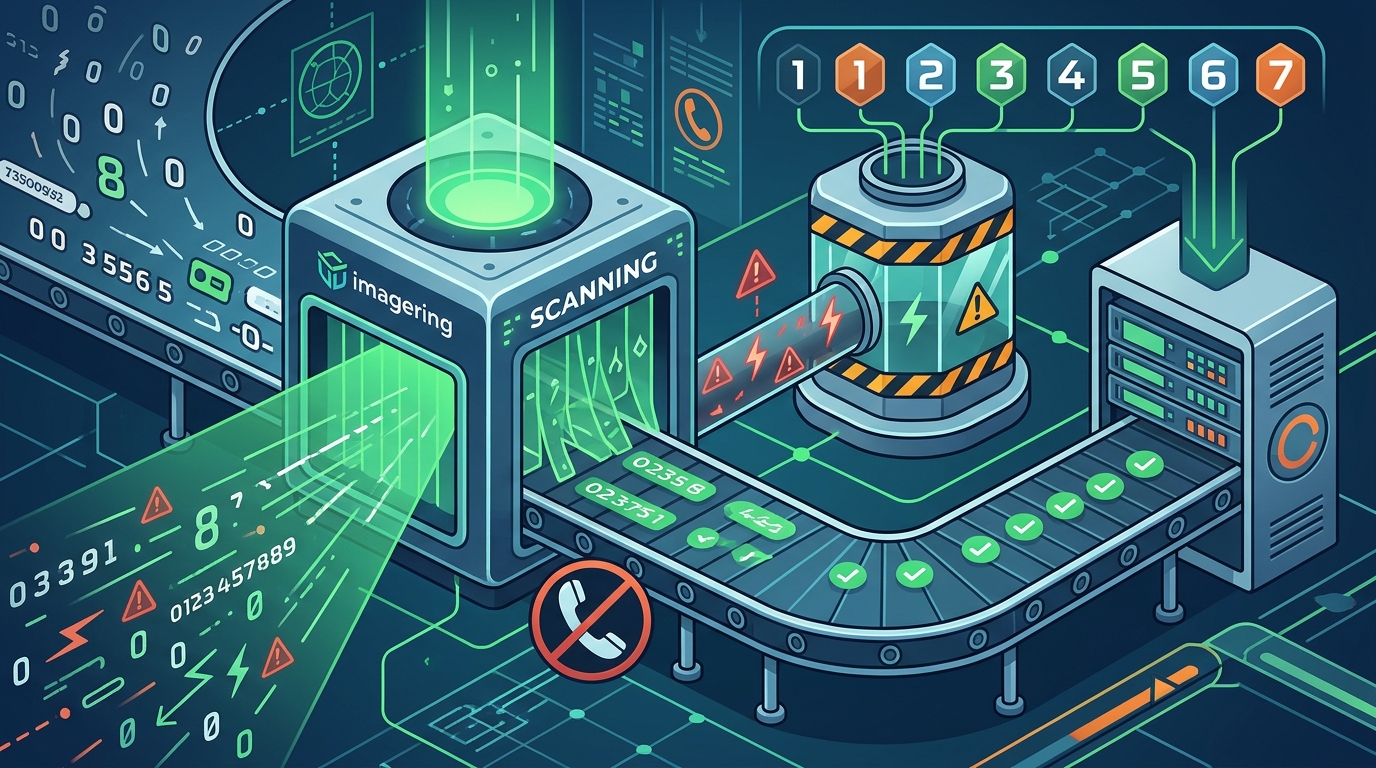
Clean your historical data to remove previously flagged numbers. Before launching a new campaign, you must ensure your existing database is free of high-risk contacts. Batch scrubbing allows you to upload large files of phone numbers to a screening portal for processing. This method provides a comprehensive report of flagged numbers, allowing you to permanently remove them from your master database and prevent future accidental dials.
6. Monitor State-Specific Do Not Call Regulations
Apply state-level suppression rules to reduce regional litigation risk. Some states have stricter telemarketing laws and higher volumes of TCPA cases than others. A robust screening service allows you to filter numbers based on specific state regulations. By applying state-specific suppression, you can ensure that your calling practices align with local legal requirements and reduce exposure in high-risk jurisdictions.
7. Maintain Continuous Database Updates
Ensure your suppression list reflects the most recent legal filings. The TCPA litigation landscape changes daily as new cases are filed and new numbers are added to registries. A static list becomes obsolete quickly, leaving your business vulnerable to new threats. Continuous updates ensure that your screening database includes the latest litigator numbers and names, providing ongoing protection for your outbound operations.
Choosing the Right Screening Method
Select your screening approach based on your dialer infrastructure and risk tolerance. If you use a predictive dialer, real-time API integration is essential for immediate protection. If you manage static lists, batch scrubbing combined with name recognition offers the best balance of cost and coverage. For maximum security, combine all methods to create a multi-layered defense against TCPA litigation.
Frequently Asked Questions
What is a TCPA litigator list?
A TCPA litigator list is a database of phone numbers and names associated with individuals who have filed lawsuits under the Telephone Consumer Protection Act.
How does a Name Recognition Algorithm work?
A Name Recognition Algorithm is a proprietary matching system that compares contact names in your database against known litigator names to identify risks regardless of phone number changes.
Can I scrub my list for free?
Some providers offer limited free samples, but comprehensive screening of large databases typically requires a subscription or paid service plan.
What is the difference between a litigator and a troll?
A litigator has filed a formal lawsuit, while a troll sends demand letters seeking settlement without initiating court proceedings.
How often should I update my suppression list?
You should update your suppression list continuously or at least weekly to account for new legal filings and number additions to the registry.
Does scrubbing guarantee compliance?
No, scrubbing is an informational tool that helps identify risks but does not guarantee legal compliance or prevent all litigation.
Protect Your Outbound Campaigns
Implementing these seven strategies creates a robust defense against TCPA litigation risks. By combining number-based screening with name recognition and real-time API checks, you can significantly reduce your exposure to professional filers. TCPA Litigator List offers the tools you need to maintain a clean and compliant calling database.