
7 Top Integration Methods for Connecting Your Dialer to Litigator Screening Databases
Connecting your dialer to a litigator screening database is the most effective way to prevent accidental calls to professional TCPA plaintiffs. TCPA Litigator List provides the infrastructure to integrate these checks directly into your outbound calling workflow. This guide outlines the seven primary methods for implementing real-time and batch screening to protect your business from litigation risk.
1. Inline API Integration
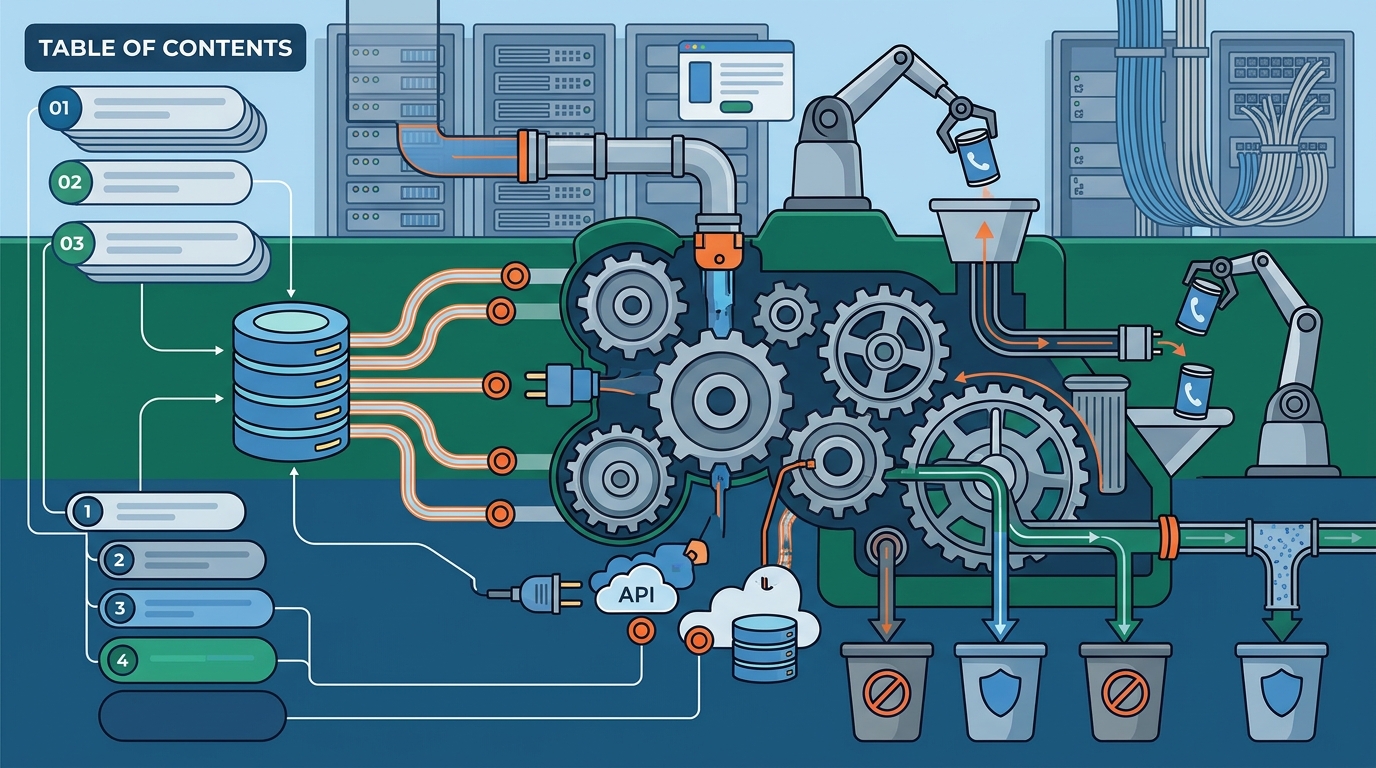
Check every number in real-time before the dialer initiates the call. This is the gold standard for compliance. The API returns a result in single-digit milliseconds, allowing the dialer to suppress the call instantly if a match is found. This method ensures that no call is ever placed to a known litigator or DNC complainer.
2. Batch List Scrubbing
Clean your entire lead database before uploading it to your dialer. You can upload large files in CSV or Excel format to the online scrubbing portal. The system processes the file and returns a clean list along with a separate report of flagged numbers. This is ideal for weekly or monthly data hygiene routines.
3. Database Endpoint API
Automate the scrubbing process for continuous data feeds. Instead of manual uploads, you can connect your database directly to the screening endpoint. This allows for automated, recurring checks on new leads as they enter your system. It reduces the manual overhead of managing file transfers.
4. Name Recognition Algorithm (NRA)
Screen by the contact's name to catch litigators who rotate phone numbers. Professional litigators often use prepaid or traceable numbers that change frequently. The proprietary Name Recognition Algorithm matches the name against the registry, providing a layer of protection that number-only lists miss. This is critical for preventing the "trac phone" threat.
5. Webhook Notifications
Receive automated alerts when a number is flagged during a scrub. Webhooks allow your internal systems to react to screening results in real-time. For example, your CRM can automatically tag a lead as "High Risk" or pause a campaign if a threshold of flagged numbers is detected. This creates a closed-loop compliance workflow.
6. Language-Specific SDKs
Accelerate development with pre-built software development kits. TCPA Litigator List provides SDKs and code examples for popular languages like PHP and Python. These tools handle authentication, request formatting, and error handling for you. They reduce the time required to integrate the API into your existing dialer architecture.
7. Enterprise Dedicated Clusters
Use isolated infrastructure for high-volume, multi-brand operations. Enterprise plans offer dedicated API clusters with no shared rate limits. This ensures that peak dial rates do not impact screening latency. It also provides sub-account isolation for different brands or clients, along with timestamped records for legal discovery.
Choosing the Right Method
Select your integration method based on your volume and technical resources. Small teams should start with batch scrubbing and the online portal. Mid-sized operations should implement the inline API with the Name Recognition Algorithm. Large enterprises require dedicated clusters and webhook automation to maintain compliance at scale.
Frequently Asked Questions
What is the TCPA Litigator List?
The TCPA Litigator List is a database of phone numbers and names associated with TCPA lawsuits and demand letters. It compiles data from litigation filings to help businesses identify high-risk contacts.
How does the Name Recognition Algorithm work?
The Name Recognition Algorithm is a proprietary technology that matches contact names against known litigators. It protects against individuals who change their phone numbers but keep their identity.
Can I integrate the API with my existing dialer?
Yes, the API is designed to be integrated into any dialer or database system. You can use the inline API for real-time checks or the batch API for list cleaning.
What is a TCPA Troll?
A TCPA Troll is an individual who sends demand letters for TCPA violations but has never filed a lawsuit. They are included in the screening database to help businesses manage legal threats.
How fast is the API response time?
The API is optimized for speed, with single-record scrubs returning in single-digit milliseconds. This ensures that the check can happen inline without delaying the dialing process.
Get Started with TCPA Litigator List
Protect your business from litigation by integrating your dialer with the TCPA Litigator List API. Our platform provides the tools you need to scrub your lists and call with confidence. Visit our pricing page to find the plan that fits your volume.